
Race Matters; Equipped, Qualified & BLACK
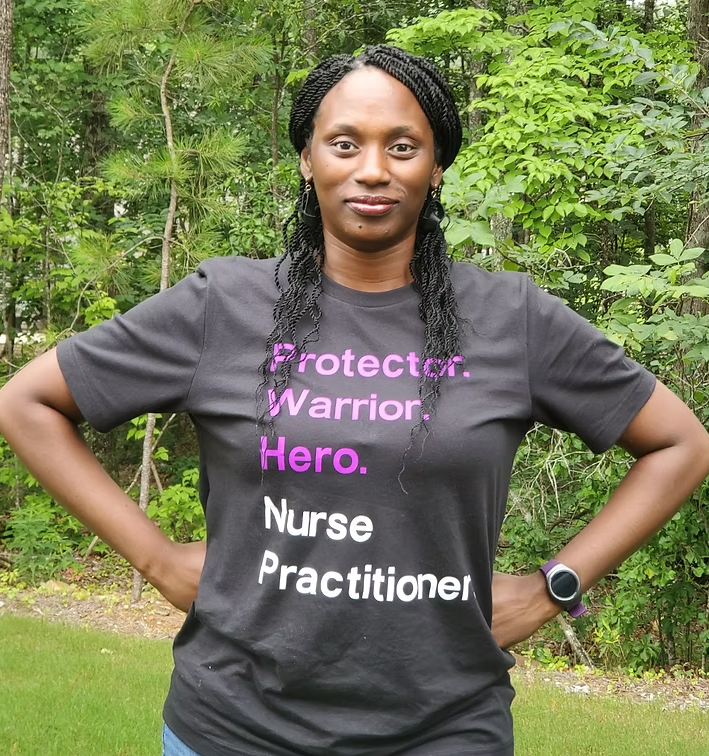
No matter how many times you’ve been disrespected or treated “less than” because of your skin color, it hurts. The day a patient’s husband told me that he wasn’t seeing “my kind” was no exception. It was obvious that he was speaking for the patient as well as himself. It cut a little deeper given the raw wound I was already carrying given the murders of George Floyd and Breonna Taylor, to name a few. It does not escape me that George Floyd could have very well been my husband and that Breonna Taylor could have been me. I bandage this wound each day before work. It is deep and never gets the chance to fully heal. I just keep changing the dressing. When he said this to me, I felt so many emotions and sentiments at once. I felt anger, sadness, resentfulness, humiliation, frustration, bitterness, disappointment and numbness. Yet, I couldn’t fully “feel” any of them because I don’t have that liberty. My next patient was waiting, and the one after that, and the one after that. No matter what happens, as a black professional woman, I am forced to deal with an added layer of difficulty and responsibility. I must continue to give my best at all times no matter what is happening with me internally. I wear my professionalism as a badge and my mask like freshly applied make up in the morning. Best face and foot forward is how I approach each day. To be honest, it has been a while since I’ve dealt with such “in your face” racism in the workplace. It’s taxing, draining and confounding. Working in an area such as oncology (cancer), the work is already challenging yet oftentimes rewarding. However, it is at the same time demanding and sometimes sad. It would seem that within this specialty that there is no room for racism. I mean, to think that people, who are in many cases, literally fighting for their life could also hate you for living yours. Befuddling! Then there are those who want to have complex discussions during an office visit that does not pertain to their illness. “What’s wrong with me saying All Lives Matter?” a patient recently said to me. “Oh Lord, I can’t have this discussion with you” is what I was screaming to myself. The patient asked again as I hesitated to respond initially. I am fairly certain that I am one of the few black people this person can talk to about this. I do my best to be diplomatic, after all this is a hematology and oncology practice and I am the nurse practitioner. I say, ” it’s all about the context in which the phrase is being used. Saying Black Lives Matter doesn’t mean that all lives don’t.” The patient looks confused and I am immediately tired and it’s only the beginning of my clinic day. I kindly say we need to get to the treatment room for treatment. In my mind, I’m thinking “I don’t have time for this Lord. Help me.” Best wishes are extended to my family and I do the same. Before parting though, the patient says, “I would like to discuss more when you have time.” I smile and get ready for my next patient. I once had a child come in with a patient who surprisingly announced, “Look, she’s brown!” Talk about awkward. The encounter overall went well. However, it solidifies that even if I wanted too, (and I don’t), I can’t forget my race or the color of my skin. Then, there have been the silent encounters in which I can tell that the patient has an issue with me being black. He or she is at least “nice” enough not to acknowledge it openly. They just give off vibes that scream, “I really don’t like people like you”. While my white counterparts move freely through this world including their workplaces without a second thought, I think about everything. “How would it look if I did this?” “What would they think if I did that?” “How would my words be interpreted if I really told you how I feel?” I’ve always known how many in the world would view me. My parents made sure I could navigate in certain spaces and climates. They prepared me for the challenges of being black in America. Sometimes, it’s more difficult than I ever thought it would be. I love my blackness though, from my melanin-rich skin to the incomparable rich heritage. I am resilient. I am an overcomer. I am persistent. I am determined. I suppress my emotions and extend my devotion to those I serve. It’s my calling to help people even if there are some people who don’t truly want my help. I compartmentalize how I’m feeling in my heart and in my head and do what I must do for the patients I serve. I admit that it is getting harder and that sometimes I want to give racists, (covert and overt) a piece of my mind. I have been caring for others in some sort of nursing capacity for well over a decade now and I have seen my share of racist antics. The demeaning smile. The condescending look. The one-word responses that really say, “I am only talking to you because I have to.” The refusal to look me in my eyes. The insistence on talking to the white person who is with me despite me being the one leading the conversation. I could go on and on. I also know that my experience pales in comparison to many of my people who came before me. Unfortunately, to some, it does not matter that you are equipped and qualified to help them. They only see your skin color, and that is their loss. To cope I rely heavily on my faith, my family and my friends. Good support systems are critical. I limit my social media. I rarely watch the news. I exercise
Beach Vacation During a Pandemic? 5 Things You Should Consider
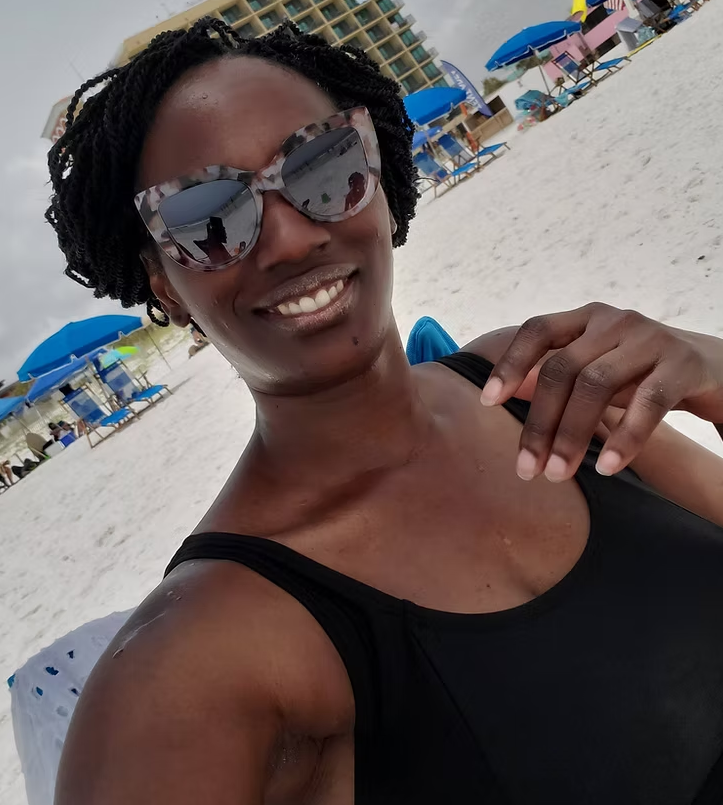
Can you travel safely during a pandemic? Yes, you can, but it depends on where you are going and what your goals are. Like many of you, my family has had very limited exposure outside of home. Schools closed abruptly and my children were thrust into a life of the unknown. It’s been nearly four months of alternative living and to say that our children were looking forward to a vacation is an understatement. Our original Summer plans included a family vacation to Bradenton and Tampa, Florida with my husband’s side. However, with the ongoing pandemic and increased racial tension and unrest, we decided to postpone that 10-hour trip until a later time. I admit that I strongly considered taking the potty along for the ride had we decided to keep our original plans. Ha! In the meantime, we began to think about, how can we pull off a safe and successful beach trip with our family. We’d start with an intensive infectious diseases/germ boot camp with our children followed by a layout of the plan to include objectives and expectations. Their mom is a nurse practitioner; I can’t help it! To make things easier and more achievable we decided to stay in our state of Alabama and visit the beautiful beaches of Gulf Shores. Here are the top 5 things to consider: 1. Limit your travel distance. We decided it would be best not to travel too far. About four hours max was our goal. This could vary depending on your personal situation and the ages of your children. Keeping the distance relatively short decreased the likelihood that we would have to stop very much along the way. This also allowed for more planned stops in areas that you know are typically safe and usually clean (public bathroom standard of “clean”). In our experience, Love’s Travel Stop has proven easy to get in and out of and they usually have a “clean” restroom. Additionally, when the unfortunate need to stop arrived, everyone dawned a mask and were reminded not to touch anything. I actually carried our youngest. I recommend this approach for those with children less than five years old if you are physically able to do it. This gave me more control and further decreased her likelihood of touching anything. We already have a public restroom routine that she has memorized. She actually, tells me now before I remind her, that public restrooms are disgusting and not to touch anything. 2. Consider your accommodations. Ideally, we preferred a small beach house but trying to find that proved impossible given the short notice and the fact that we are in peak beach season. The second choice was a condo or apartment-style rental/hotel. This is what we secured. The other requirement was that it was on the beach. This way we could easily determine the best times to go to avoid crowds and could literally see the beach at all times. These kinds of accommodations also give you more space to spread out since in our case we were only going to be going to the beach and back to the room. We’re a family of five and a little wiggle room goes a long way! It is also a plus to have more than one bathroom. 3. Plan to cook your meals. This is another reason why the type of accommodations was so important. I planned to cook everything we ate, so a kitchen was a must. Eating in diminished any exposure of COVID-19 through long lines and closely confined restaurants. I can tell you that although we are still in the midst of a pandemic, not everyone was acting like it. As we passed by various restaurants and shops, the lines were long. There was no social distancing to be found and very few people had on masks. Cooking your own food eliminates your risk. Now of course this also meant that more planning and packing were needed. My goal was to not have to go into any store while we were there and if we did, my husband would go at non-peak hours. This was the case when I discovered that the bottles of water that I’d planned for us to take didn’t make it into the truck. Bummer. I ordered groceries via pick up before we left and went to my favorite store, Costco. Costco happens to have the best precautions in place that I’ve seen. 4. Take your own cleaning supplies. Now, this may be where many will consider me a little “extra” but so be it. Of course, anywhere you stay should be “clean” upon your arrival but we’re in the midst of a pandemic! A little extra cleaning can’t hurt, right? Plus, if you do it you know for sure it got done. This gave me more security. So, along with us, came my personal cleaning supplies including, Clorox wipes, Lysol and my beloved Pine-Sol. After checking in, my family waited in the car while I went in and did an inspection. I then commenced to doing my own cleaning and disinfecting before everyone else came. My nine-year-old was happy to help as he was itching to get out of the truck and he understands the Coronavirus better than many adults do, it seems. You could also say his mother has done a good job of drilling it into his head. Additionally, I also packed our own towels and bed linens (I see you rolling your eyes, but you never know.) 5. Go to the beach during non-peak hours. Early morning worked well for us. We were also able to go late evening as many people had left. We were able to secure a spot and had plenty of room to roam without close interaction with others. Now I will admit, this gets tricky with the younger ones. Our youngest, who is not quite four years tried to make friends with another little girl who was the same age. How do you
WHOLE30 Experience
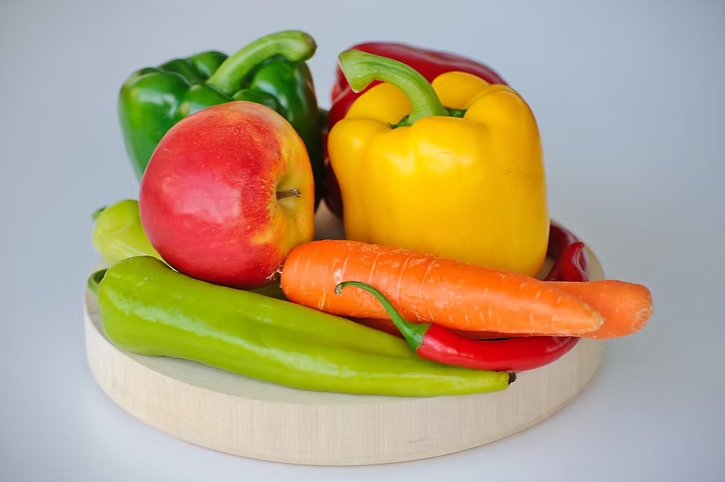
Have you ever done something and later looked back and wondered how you got yourself into whatever that thing was? Yeah, well that was me with Whole30. I walk with a few ladies in my neighborhood in the mornings for exercise and support. The comradery is wonderful too. It’s true what they say, we are better together. It helps having accountability and like-minded people rooting for you. Never mind, the fact that it’s still dark outside at the time we walk. There is safety in numbers, right? Anyway, I digress, back to Whole30. So one of my dear walking friends, and I’m totally being sarcastic with the “dear”, decided it would be great for us to start the year off by doing Whole30. It would be a fresh start! It would reset the body! You’ll feel better about yourself! It helps how you “see” food. My immediate thought was, “no you can keep that, I don’t even believe in diets for real.” However, the more she talked about it, the more it sounded like something I could handle and it was similar to things I’d done before such as the Daniel Fast with church or giving up sweets for Lent. Boy was I wrong. Whole30 is more stringent and restrictive than any diet or food plan that I have ever witnessed. I mean how can you be more restrictive than Paleo and Keto combined. If God didn’t literally make it, you can’t have it. Bye-bye dairy. Bye-bye grains. Bye-bye hazelnut coffee creamer. Bye-bye cherry coke zero. Bye-bye white wine. Bye-bye sugar in any form. Bye-bye everything good, it seems. And did I mention that the goal is to do this for 30 days hence the name Whole30! I mean it’s longer than the Daniel Fast but less than Lent but at least with Lent you get to choose what you give up. Nevertheless, I decided I’d take one for the team. Go along to get along so to speak and besides, how hard could it really be. I’ll tell you how hard. HARD. Very HARD. Especially some days. Some days are a piece of cake but then some days all you want is a piece of cake. The first day I tried coconut milk in my coffee, I nearly vomited. I poured the whole cup of coffee out not to mention the rest of the milk. The second day I tried almond milk in my coffee and though it was not nearly as repugnant as the coconut milk; it was not nearly as delectable as my beloved hazelnut creamer either. I mean I’m a simple girl. I don’t ask for much. What can a little hazelnut creamer hurt? But, if you know me at all, I do my best to abide by the rules and give whatever I’m doing my all. So I settled for almond milk and managed to make it through my cup of coffee. A good thing about Whole30 is that you are not obsessed with a scale. You weigh and measure before you start and then you don’t weigh again until the end of the experience! Whole30 truly shows you how you can lose weight by eliminating sugar and being more conscious of your choices. Plus, if you’re focused on the scale too much, you could easily become discouraged and be more tempted to eat cheese or peanut M & Ms ® (maybe that is just me, HA). Despite the mental and emotional challenges of Whole30 the physical benefits have been worth it. Even if I felt like it was near emotional abuse dealing with the day to day sometimes. We tend to underestimate the amount of sugar in our diet and the amount of processed food we eat. For example, Whole30 dictates that you can’t have sugar in any form including artificial sweeteners. Imagine my surprise when I realized I couldn’t cook with Lawry’s ® seasoning salt! It’s a staple, but if you read the ingredients on the back you see sugar listed which automatically puts it on the Whole30 no list. Whole30 aided in my spiritual growth. This became the case when I started to look at it like a fast. Some days that is what it took; praying my way through it, lol. Through prayer, I can conquer anything! Whole30 also expanded the way I cook and for the better. I learned to cook some things healthier without losing the great taste. I learned that a food processor is a necessity unless you have two hours to hand cut all of your veggies! Did I feel better, overall, yes but I had to really pay attention to myself to notice the difference. I attribute this to the fact that in general I make healthy food choices most of the time in my regular non-Whole30 life. Did I lose weight? Absolutely! Now that felt good! It was a hard-fought 10 pounds but it was a great reward to look at the scale when it was over. Will I do it again? Probably, I guess I’m a glutton for healthy punishment. Would I make it a lifestyle? Absolutely not! Maybe periodically? It’s much too restrictive otherwise. I’m all about moderation and balance. Whole30 is not. I’m not trying to give up cheesecake for the rest of my life. In my opinion, Whole30 is not intended to be a permanent lifestyle for most people. Though it is healthy eating at its best, I do not think the program is realistically a lifelong option. However, I still drink my coffee with almond milk most days, believe it or not, but I will splurge with the hazelnut creamer sometimes. What is something that you have participated in reluctantly but received benefits? What healthy changes have you made that you didn’t anticipate being long term that became long term? Learn more about whole30.com here. There is a whole world dedicated to Whole30 that I had never even heard of before this challenge.
Happy Nurses Week 2020
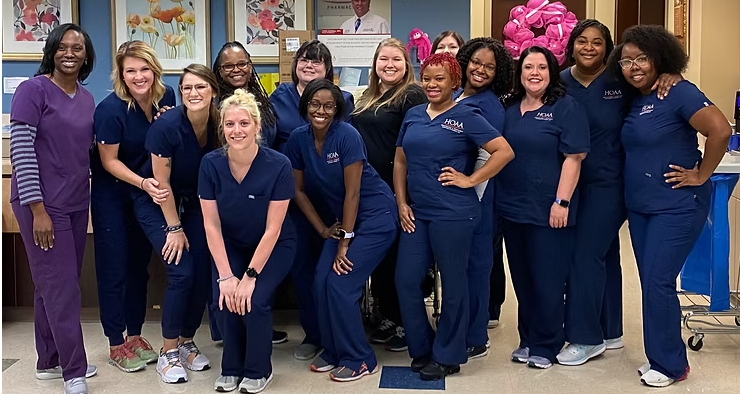
Undoubtedly, when you think of famous nurses, Florence Nightingale comes to mind. After all, she is the founder of modern nursing. Not only did she open the first official nursing school and save countless lives, but she also made nursing a true profession. In fact, nurses week is celebrated yearly starting on May 6th and culminates on her birthday on May 12th! However, there are many other nurses who have had a tremendous impact on the profession and the world. In honor of Nurses Week 2020, I invite you to learn more about pioneers in the nursing profession. It is likely you’ve been touched by a nurse in some capacity! Here are five other nurses who shaped the world in which we live. 1. Clara Barton (1821-1912) Nurse Barton risked her life during the American Civil War to support and take supplies to the soldiers on the battlefield. She nursed and comforted wounded soldiers earning her the nickname “Angel of the Battlefield.” In 1881, she founded the American Red Cross and served as president of the organization for 23 years. 2. Mary Breckinridge (1881-1965) Nurse Breckinridge was a pioneer in rural health nursing having established the Frontier Nursing Service. Having experienced the death of both of her children, she realized the disparity that many women faced giving birth at home with only the help of family members or neighbors. The maternal death rate and the infant mortality rate was high. Nurse Breckinridge was the first to bring nurse-midwifery to the United States. Her establishment of neonatal and childcare medical care systems dramatically reduced the mortality rates of mothers and infants. 3. Dorothea Dix (1802-1887) Nurse Dix was the Superintendent of Army Nurses for the Union Army during the Civil War. She was critical in the advancement of nurses in the military and the medical field. However, before that, she worked with incarcerated persons. Having observed the inhumane treatment of persons with mental illness she championed for mental health reform. She aided in the founding and restructuring of hospitals for mentally ill persons in the United States and beyond. 4. Virginia Henderson (1897-1996) Nurse Henderson was a nurse educator and researcher. Her work changed and elevated nursing practice through textbooks and various publications. She is called the “Foremost Nurse of the 20th Century.” Having had a career that spanned 70 years in nursing, her Nursing Needs Theory defines the role of nursing practice. 5. Mary Eliza Mahoney (1845-1926) Nurse Mahoney is the first professionally licensed African American Nurse in the United States. She attended the New England Hospital’s rigorous nursing program. 42 students started the program but only 4 completed it, including her. Throughout her career, she was a pioneer for women’s rights and for helping black nurses overcome barriers. These are just some of the nurses who paved the way for the nursing profession. This list could go on and on but I’ll stop here for now. 2020 has been proclaimed as the year of the nurse and midwife by the World Health Organization in recognition of the contributions made by nurses and to highlight nursing shortages. Pictured above are some of the best and most caring nurses ever! They also happen to be my favorites as I have the pleasure to work with them daily! Happy Nurses Week! You can learn more about these nursing pioneers and more by visiting sites such as www.biography.com, www.womenshistory.org, and www.aahn.org. I’d love to hear who you would add to this list! Share a positive story of a nurse who’s impacted your life or the life of your loved one.
Why I Became a Nurse Practitioner
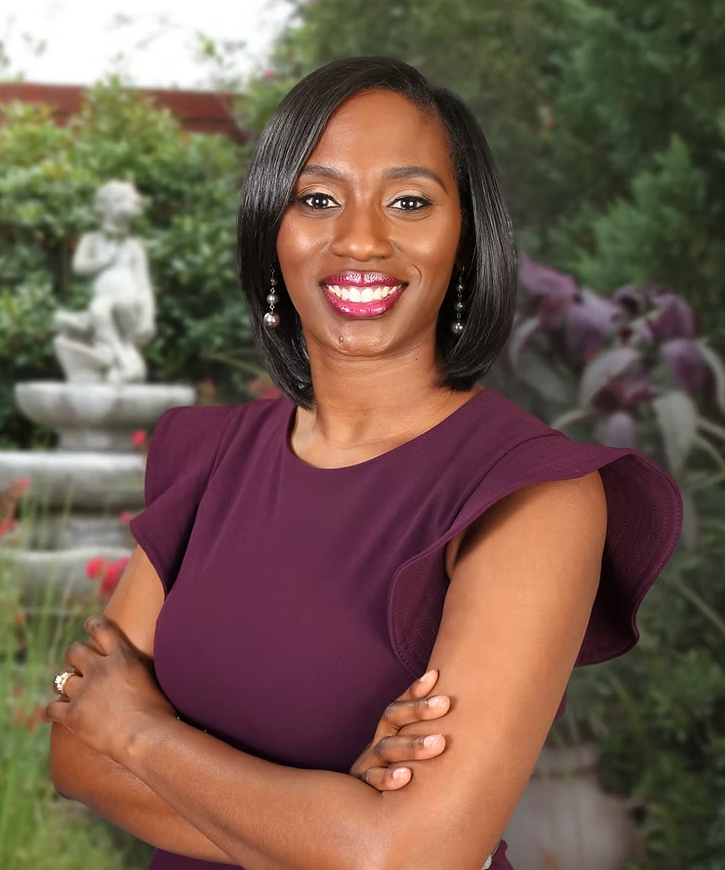
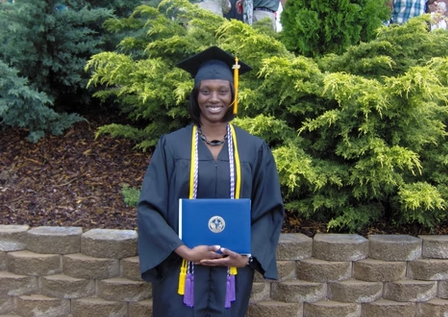
If you’ve read the post entitled Why I Became a Nurse that story continues here. You may recall what influenced me to become a nurse and my journey getting there. If you haven’t read the post prior to this one, definitely go check it out. The decision to go to the University of Alabama in Huntsville (UAH) was not without sacrifice. I was living in the Birmingham area, in a city named Calera. Calera is roughly 133 miles from Huntsville. At the time my husband was a high school math teacher and basketball coach. Going to school in Huntsville would mean commuting and being away from my husband for days at a time. Huntsville is a city that I love. It is where my alma mater, Alabama A & M University is located. It is also where the aforementioned awesome uncle mentioned in the prior post lives. With the support of my husband and family, I took off to UAH to complete a second bachelor’s degree. This time in Nursing. It would take me two years instead of four since I already earned a bachelor’s prior in Biology. My uncle allowed me to stay with him while in Huntsville and affectionately called me his “boarder”. I can’t begin to describe the impact he’s had on my life or all he’s done for me. Just know when I count my blessings in life he’s at the top of the list. When I wasn’t studying, attending classes, or trying to work out, I was driving between home and Huntsville. I did this while managing to remain part time as a patient care technician at my hospital Birmingham. When I graduated nursing school, I went back to the same unit as a registered nurse. I knew that I still wasn’t done yet. It was important to me to get more nursing experience but I knew I wanted to go back to school again to become a nurse practitioner. Admittedly, I love setting goals and achieving them. If I know there is more that can be accomplished, I’m usually going to make that a goal. What struck me most about becoming a nurse practitioner is the bond between care and cure. As a nurse, I spent years caring directly for patients through education, medication administration, assisting in activities of daily living and being the liaison between other healthcare professionals. As a nurse practitioner, I could continue to do those things, but I could also diagnose and treat certain conditions. I could directly impact the patient even more. After some time, while continuing to work as a nurse, I decided it was time to apply to graduate school to become a nurse practitioner. I wanted to not only be the best nurse I could be, but I also wanted to be a nurse with an advanced degree and have the option for more opportunities. I knew that the University of Alabama at Birmingham (UAB) was where I wanted to go to graduate school. I loved the University of Alabama in Huntsville (UAH), but this time I wanted to go to school locally and save myself several miles in the process. I also have it in my mind that it would be so cool to have a degree from every university in the University of Alabama system. Shh UA, you’re up next, lol! After applying and gaining acceptance into the Family Nurse Practitioner program at UAB, a new journey began. There are different nurse practitioner specializations, Women’s Health Nurse Practitioner or Adult Nurse Practitioner to name a couple. The family program appealed to me the most because it allows you to practice across the life span. I liked the idea of being able to know and care for babies and the elderly. About three years later I graduated from UAB with a Master’s of Science in Nursing. I had excellent preceptors and very engaging clinical rotations. I learned so much from the professors, physicians and nurse practitioners I was able to glean from. Along the way I managed to have two babies. How I pulled that off is a story for another day, lol. I will tell you this! I missed graduation because my youngest son decided that two days before graduation was a good time to make his arrival. This ended up being for the best! He weighed nearly 10lbs! It would have most certainly been more adventurous than necessary if he’d come around his due date two weeks later! My husband took a picture of me in my cap and gown before returning it back to the store. Graduating is only part of the process. Next, I’d need to take the national certification exam. Studying would prove challenging with a newborn but I was determined to pass boards and become certified. The first few weeks post-partum dedicated to adapting to a newborn, a 19 and a half month old, healing from delivery, breastfeeding, and just generally trying to live, lol. Close family came to help me in those initial weeks like my fantastic maternal aunt who graciously and lovingly plays a grandmother role to my children. Also, my experienced and loving mother- in- law came to my rescue as well. Following the adjustment period, I decided it was time to refocus and truly buckle down and study for my certification exam. At that point it was my amazing father-in-law who filled in the gap. He is truly spectacular. He would come each day and help me care for my newborn during the day so that I could study. He treated it like working a shift; he was consistent and reliable. He never once complained or made me feel like a burden to him. I am so thankful for him and do not take it for granted. Needless to say he has a special bond with my son that holds to this day. I studied for about three months straight. My husband sent me to a hotel the night before my test so I
Stillbirth is Still Birth
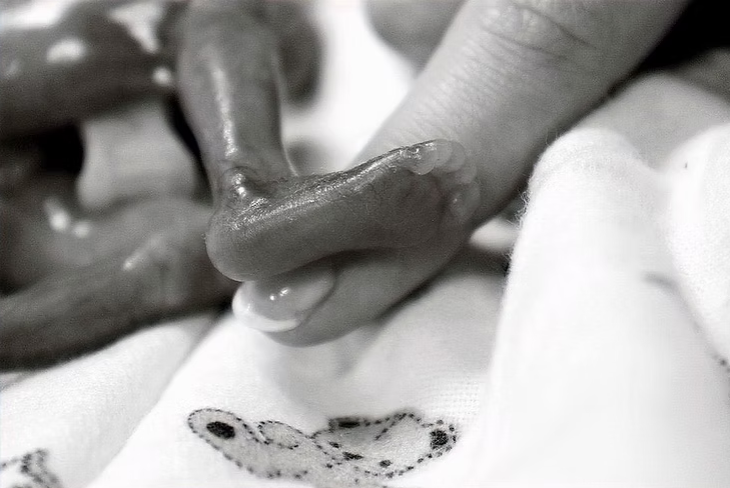
On February 8th my first son would be 14 years old if he was alive. The pregnancy came as a surprise and we were ecstatic. We found creative ways to tell our friends and family. My pregnancy was glorious. I know that sounds hard to believe but it really was. I didn’t have morning sickness. I didn’t even get swelling in my feet. I didn’t have much pain as my body ballooned and blossomed. I had some fatigue, but it wasn’t unbearable. As far as pregnancies go that one was my easiest. Things had been progressing normally. He was moving regularly. His heartbeat was on target. He was growing appropriately. We were preparing for his arrival. We discussed our dreams for him. My family and friends hosted my baby shower two days before things went wrong. The baby shower was in my hometown of Wetumpka and I’d stayed in town after it was over. I was spending a lot of time at my parent’s home because my mom was sick. She was diagnosed with ovarian cancer and had begun chemotherapy treatments. I was taking care of her. It was Monday evening and my husband called when he was leaving work. As was his custom he asked me about our son and how he was doing. He told me to put the phone on my nearly 37-week pregnant belly so he could talk to him. It occurred to me that he wasn’t moving as much as he normally did. He tended to respond to his dad’s voice but he didn’t that time. I began prodding and poking my stomach to get him to stir. He did nothing. I tried jumping up and down. Nothing. I tried lying on my belly, which I couldn’t quite do but you get the point. There was coke in the refrigerator. I drank some thinking surely the sugar and caffeine would wake him up. Still nothing. The entire time, my husband was still on the phone. We hung up briefly for me to call my OB (Obstetrician) in Birmingham, roughly 1 hour and a half away. It so happened that she was on call that night so I spoke to her directly. She told me that sometimes babies enter a deep sleep around this stage of pregnancy and can be difficult to arouse. This was encouraging news but still concerning. After I told her about all my antics she told me to go get checked out at a nearby hospital. By now the nervousness set in. As my husband headed in my direction, I called my aunt. I purposefully didn’t tell mom because as I mentioned, she was already not feeling well. I didn’t want her to worry and the last place she needed to be with a compromised immune system was the hospital. So, she and dad were left out of the loop for the time being. My incredible, take control aunt came to the house immediately. She spoke encouraging words, prayed and called my uncle who personally knew the OB who I fondly call “the family OB”. This OB has a practice in Montgomery and takes care of many of the women in my family who live in the area. When we got to the hospital, we went in through the emergency room. I mumbled to the lady at the desk that I couldn’t feel my baby move. She looked at me like I was being dramatic but didn’t make a critical statement. She directed me out of the ER and up to the obstetrics department. Upon arriving there, a nurse tried to find the baby’s heart beat with a doppler. A doppler is a type of ultrasound device that can detect fetal heart beats. Dopplers also have other uses not relevant to this post. When there was no heart beat found she went and got a different doppler device. After that one didn’t reveal a heartbeat either she assured me that sometimes the dopplers can miss it depending on the baby’s position. I tried to stay calm though I wasn’t comforted by her words. My prior doppler experiences with this pregnancy detected the heartbeat almost immediately. Next, a technician came in to perform an ultrasound. By this time my husband had made it, in addition to other family members. The ultrasound seemed to go on forever. I could tell the technician was feeling uncomfortable. She was very short on words and struggled to make eye contact with me. She finished up the study and left out of the room. The “family OB” came in, examined me, did another ultrasound, and then told us what no one had yet said out loud. My baby had died inside of me. Before I even had time to let that sink in, he went on to tell me that I would have to deliver the baby. I remember asking him what he meant by “deliver” and he explained that I would be induced blah, blah, blah. I asked him for a C-section. How could he expect me to deliver my dead baby! How could I go through induction, labor and delivery only to leave with empty arms! He told me I’d be given something to help soften my cervix. My mind was a bunch of jumbled thoughts and my heart was breaking in a billion little pieces. Yet, I was trying to remain optimistic and was reminded of the miracles Jesus had performed in the Bible. I hoped and prayed that this was all a horrible nightmare and I’d wake up and it not be real. I was moved to another room, now that I wasn’t going back home. My family was praying. I was in shock. Stunned with disbelief. I recall the nurse offering me something for my nerves but at the time I didn’t believe my baby was truly gone. So I didn’t want to take any medications that could impact that possibility. I lie in the bed feeling like the world was caving
Mom Died from Cancer
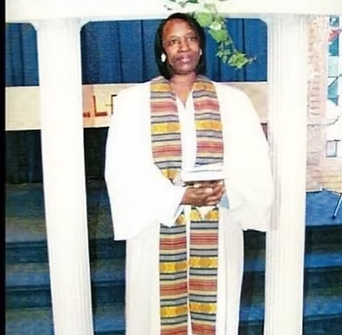
So it was January of 2006. Mom was diagnosed with ovarian cancer and proceeded to start treatments of chemotherapy. I was pregnant with our first baby at the same time; due in mid-March. He was to be my mom and dad’s first grandchild. I wasn’t working at the time so this allowed me to plan more freely to aid in mom’s care. Our lives consisted of frequent visits to the cancer center in Montgomery, Alabama. My hometown is Wetumpka, Alabama. It sits about 20 minutes north of Montgomery. This is where my parents lived. Mom and I spent a lot of time at the cancer center. I can still recall the smell and the configuration of the center’s sections such as the lab and treatment areas. Before mom’s diagnosis was confirmed, she had a CT scan (Computerized Topography scan also commonly called a CAT scan). A CT scan is series of x-rays taken from different angles that produce images of inside the body. It is more in depth than a regular x-ray. Upon review of the CT scan, the surgeon told us that her scan either showed cancer or tuberculosis. He knew tuberculosis was the least likely of the possibilities. I’ve never hoped so much for a tuberculosis diagnosis in all my life. Even with my then limited medical experience, I knew tuberculosis would be better than ovarian cancer. I always knew that I’d have a career in healthcare. I was eager to learn everything I could about the inner workings. In fact, I was intrigued by the processes though I hated that my mother had cancer. It was during this time that I gained a true understanding of what nurses do and the immense impact they have on patients, especially in oncology. This was the start of my love-hate relationship with cancer. I love the patients but I hate the cancer! I still remember my mom’s primary nurse, Kelly. She was responsible for administering her chemotherapy and helping to manage her symptoms. Chemotherapy days were long and sometimes grueling. It’s no wonder you develop close relationships with some of the staff. At the end of the day, we’d both be exhausted. Yet, mom didn’t complain. She was also trying to make sure I was ok and had what I needed (as I was pregnant and then post-partum during this time). She remained graceful while fighting for her life. I remember when she lost her hair. It all came out in the shampoo bowl. Even though you try to prepare for this it can still come as a surprise and take an emotional toll. We got wigs and India Arie’s “I am Not My Hair”became a song that made us smile. As a day one India Arie fan, I was happy to introduce her music to my mom who had never heard of her. It was difficult for Mom to eat despite her trying really hard. My family, including my husband and dad, would prepare or purchase anything she thought she wanted to try. Her nausea, vomiting and bloating were horrendous. Breathing sometimes became difficult due to the ascites (fluid caused by the liver) and pleural effusions (fluid buildup between the lungs and the chest). The weakness and fatigue were debilitating. She did not have much pain though she was very uncomfortable at times. Over time it became more difficult for mom to do everyday things. It was hard for her to teach her beloved kindergarteners. She ultimately retired early completing about 20 years in education. It also became hard to pastor the congregation whom she loved. In the end, she didn’t make it back as she had hoped. She continued to mother us the best she could too. My dad did all he could to help. He even attempted to seek alternative treatment outside of the country. I saw the toll mom’s illness was having on him even though he tried to conceal it. As far as we know, Mom was the first person in our family to have ovarian cancer. She was the only one of her siblings to have ever been diagnosed with cancer. There were eleven total children between her mom and dad. To say cancer was unchartered territory for our family was an understatement. To even think of all the folks in the world to get cancer, I never in a million years thought my mom would be afflicted. Mom’s journey was wrought with challenges, but it was not without rewards. Mom’s journey was bitter, but it was not without some sweet. She continued to touch the lives of others even through her illness. The overwhelming love and support we received was a testament to the life she lived. Mom continued to fight as did the rest of us. We were all in it together including our family and friends. Mom was a beautiful, sweet, generous and compassionate soul. She was a true blessing to all who encountered her. You may say I’m biased but I have many witnesses who also agree. She was the epitome of a woman. After nearly 12 hard-fought months, mom passed away with me at her bedside on November 30, 2006. She died as a result of this silent killer that ultimately became obnoxious, unruly and extremely loud. Our lives have not been the same since mom died. Grieving has been a process that I’m sure will last in some capacity for the rest of my life. I am doing my best to make lemonade from the lemons of losing my mom. Through my career as a nurse practitioner, I care for patients who have cancer. This allows me to positively impact many patients and families. I am also able to speak to groups and offer support by sharing relatable information. Losing mom has been devastating. Not a day goes by that I don’t think about her in some way. I don’t cry as much as I use to and I smile at the fond memories more. I recognize
Why I Became a Nurse
I delivered and buried my firstborn son in that February. Later that year, I buried my mom early December, just a few days before my birthday. I entered a depression. I was at a cross roads and really didn’t know what I was going to do with myself or how to do anything with myself. I was lost. I was without my baby and my mother. Despite this, I managed to put what focus I could muster on helping my dad and my two younger brothers. At the time my youngest brother was in high school and my middle brother was in college. I was Mom’s primary caregiver. Dad, my brothers and additional close family helped how they could but the bulk of her care was done by me. Dad was working and it was important to our family that my brothers stayed in school. I originally thought that I would go to medical school. In fact, I had spent a great deal of time preparing for the MCAT (Medical College Admissions Test) prior to Mom’s cancer diagnosis. Along the way, things changed. Interestingly enough, throughout Mom’s journey a lot of light was shed on nursing. Mom even told me prior to her death that she thought I would make a great nurse. I had long come to realize the huge impact nurses made in healthcare. I even think back to when I was in the hospital to deliver my stillborn son, one nurse in particular was so wonderful and empathetic towards me. Her name was Jennifer. The impression of nursing was prevalent in my own care but especially in Mom’s. I decided to become a nurse. With the help of my dear, loving and tough uncle I set on a path to become a nurse. I’ll never forget him coming over to my parent’s house. He is one of my Mom’s older brothers. I remember him firmly telling me that I’d put my life on hold long enough and that I could not continue to stay in a grief stricken state anymore. Now he didn’t quite say it in those words but this was definitely the message he was conveying. He’d told me to do whatever it was I was going to do and that he’d help me. I believe he gave me a time frame to figure things out and he made sure to check on my progress. Since I decided I was going to become a nurse, I wanted to get a job in the healthcare setting right away. With my uncle’s help, I enrolled in a patient care technician course. Upon completion, I sought out jobs as a patient care associate or technician. My plan was to gain patient care experience and apply for nursing school. I completed the course and landed a job at a hospital in Birmingham. I wanted to be hired for the oncology unit of the hospital but at the time there were no positions available on that unit. I ended up working on the Acute Medical Unit/Infectious Disease and loved it! I learned so much and sometimes I got to float to the oncology floor. Before applying to nursing school, I had to take two classes that I had not taken in my original undergraduate program. The classes were Statistics and Developmental Psychology. I already had a Bachelor of Science in Biology so the other requirements had been met. I enrolled at the University of Alabama at Birmingham (UAB) and took the two classes. After completing the classes, I applied to nursing programs at UAB and at the University of Alabama in Huntsville (UAH). UAH was the first to send out acceptance letters and I jumped at the opportunity. I was on my way! How did you determine your career path? Who helped you along the way? What obstacles did you conquer to get there? Share your story. It could inspire someone else. My story continues next with Why I became a Nurse Practitioner.
Stillbirth is Still Birth…Continued
This post is a continuation of my stillbirth experience. If you haven’t read part one be sure to do so first. I was admitted to the hospital and moved to a room in the labor and delivery unit. I lay there willing my baby to move. Willing him to wake up. I even thought I felt movement sometimes which I understand is a normal feeling. I was in shock. I felt all the stages of grief at once and not at all. I just knew this could not be my reality. How could my baby have died inside me? What was wrong with me? What was wrong with him? How could my pregnancy have been so perfect for this to be the outcome? What had I done wrong? This wasn’t real, was it? I was told by the “family OB” that I would be induced to deliver my baby. I didn’t understand why he wouldn’t just take me to the operating room and deliver the baby by C-section. Although I had not planned to have a C-section originally, at this point I wanted to get through this process by any means necessary without drawing it out. My cervix was closed as I was still a few weeks away from my due date. This meant to deliver, I’d need to be dilated. The doctor ordered a medication to help with this process but it would take time. Then the time came for the Pitocin to be started. Pitocin is the hormone that is administered through the vein to cause contractions. I was in a zombie state. Going through the motions and trying to do as I was told. My family had basically camped out at the hospital. I believe they were taking shifts. My husband and I were never alone, not even for a moment unless you count the bathroom. Coming from a praying family, lots of praying was going on too. I didn’t have a written birth plan, but it didn’t matter at this point anyway. I’d planned to have an epidural (pain medicine administered through the spine that blocks pain in a particular region of the body) only when and if the pain became unbearable. However, now that my world was turned upside down, the doctor all but told me that I’d be getting an epidural. I told him no. In my mind, I still didn’t want to believe my baby wouldn’t be alive when he came out. I didn’t want to do anything to further decrease this likelihood. I didn’t make these inner thoughts public but I’m sure he knew what I was thinking. He is such a kind and mild mannered man. He would tell me every time he came to check on me, which was often that I’d be having an epidural. I still told him no, but when it came down to it, I had one. I had no fight left and I knew he had my best interest in mind. I realized later that it was for the best and the doctor knew what he was talking about. Unfortunately, no one had told the CRNA, (Certified Registered Nurse Anesthetist) who came to do my epidural that my baby had died. I’m not sure who dropped the ball but that lack of communication was an epic fail. It started the first of a series of experiences in which I would try not to make people feel bad about my suffering. As you know, in most cases when a baby is being born, it is a happy occasion and people are excited for you. When the CRNA said to me, “what are you having?” I simply said “a boy”. She offered congratulations as I sat quietly. My nurse, Jennifer, who was there with me gave her a pleading look but she didn’t catch the hint. After her continuing in jovial conversation, a conversation that I tuned out, I finally managed to mumble that he had passed away. I felt bad for her. I was content to let her “congratulations” be the end of it and let her do her job and be on her merry way but she kept talking. By this time if looks could kill, the CRNA would have been dead by my nurse who had become very protective. What I remember most about the epidural, besides the fact that I didn’t want it, was that for the longest time only one side of my body was experiencing the effects of it. The other side of my body was alive and well. A different member of the anesthesiology team came in and made some adjustments after a while and then I felt numb on both sides. It’s such a conflicting feeling and position to be in. Despite knowing I was delivering a stillborn, my husband and I were also excited to meet our little one. We planned for his delivery for months! We’d purchased our first home in January and my husband was working tirelessly to get it ready. Plus, I was still hoping and praying for the miracle of this to all have been a lie. I was still holding on to my baby “waking up”. My husband, who never left my side knew what I was hoping. He didn’t discourage me but he didn’t indulge me either. Although he is a man of faith, he’s very much a realist and a facts guy. You’re not going to tell him 2 + 2 is anything other than 4 no matter what. The nurse checked me and told me it was time to get the doctor. I somehow got through delivery, much of it a blur, and gave birth to a beautiful baby boy. He was perfect in every way except he wasn’t breathing. The nurses cleaned him up and gave him to me. I held him willing the transfer of my heartbeat into his. My family, church family, and friends prayed for a Lazarus miracle. My husband held him and then they
Mom Had Cancer
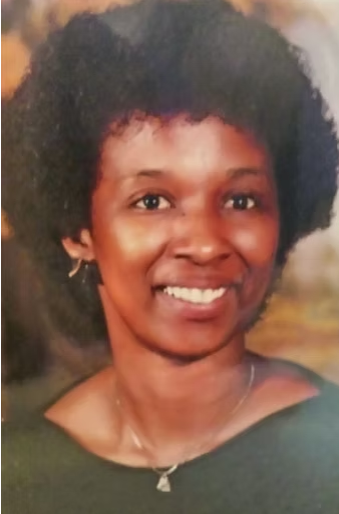
In January of 2006 my family received devastating news. After many months of my mom having vague gastrointestinal symptoms we finally learned of her diagnosis. Her symptoms included nausea, vomiting, bloating, early satiety, weight loss and abdominal pain. She was incorrectly diagnosed with GERD (gastroesophageal reflux disease). Finally, we learned of her true diagnosis of ovarian cancer. I was in shock! Then my wheels begin to turn as I thought to myself how in the world could my mom have ovarian cancer when she didn’t have OVARIES! Just a few years prior she had a hysterectomy and bilateral salpingo-oopherectomy (BSO). This means her uterus, fallopian tubes and OVARIES had been REMOVED. I knew she had a history of fibroids with heavy and painful menstrual cycles. The hysterectomy and BSO were to reduce these issues or so we thought. I learned that despite mom no longer having ovaries she had developed the disease that was basically equal to ovarian cancer. The official name is Primary Peritoneal Carcinoma. This is essentially ovarian cancer without ovaries as the pathology is the same. Upon wrapping my mind around this we dove head first into what needed to happen to treat this. Thankfully, my awesome and well connected uncle had a close friend who happened to be a medical oncologist. Oncology is the study and treatment of cancer. We were able to see him quickly and learned more concerning information. We learned that mom’s cancer was Stage IV or metastatic. This meant her disease was advanced and had spread to various organs. We then learned that treatment options for ovarian cancer were limited. Two chemotherapeutic agents were the mainstay of treatment; Carboplatin and Taxol. The road ahead would be difficult and that her prognosis (likely course of disease) was poor. I made it my mission to learn as much as I could about ovarian cancer. I learned that it has the highest mortality (likelihood of death) of all the gynecological cancers. I learned that it often happened in older women. This was puzzling because mom was only 47 at the time of her diagnosis. I also learned that it is nicknamed the “silent killer”. It has this nickname because of the vague symptoms it causes and because of the usual late stage diagnosis. Upon having a port placed, mom began her treatment with Carboplatin and Taxol. A port is a device that a surgeon places in the chest wall cavity for ease of treatment, intravenous fluids and blood work. As mom began treatment, we began the journey with her. The doctor and nurse discussed side effects with us. We were not at all excited about the potential side effects of chemotherapy because some of the side effects were also symptoms of ovarian cancer. Mom was already experiencing nausea, vomiting, poor appetite, fatigue and weakness. She lost weight and had abdominal bloating that I now know is caused by ascites. Ascites is excess fluid often made by the liver due to the cancer. Yet, if I didn’t know anything I knew mom was a fighter and thus the journey began. What has been your experience with cancer? What have you learned from your experience? Would you like to know more? This journey continues in the next post, Mom Died.