
Losing a Friend: 4 Things You Should Do
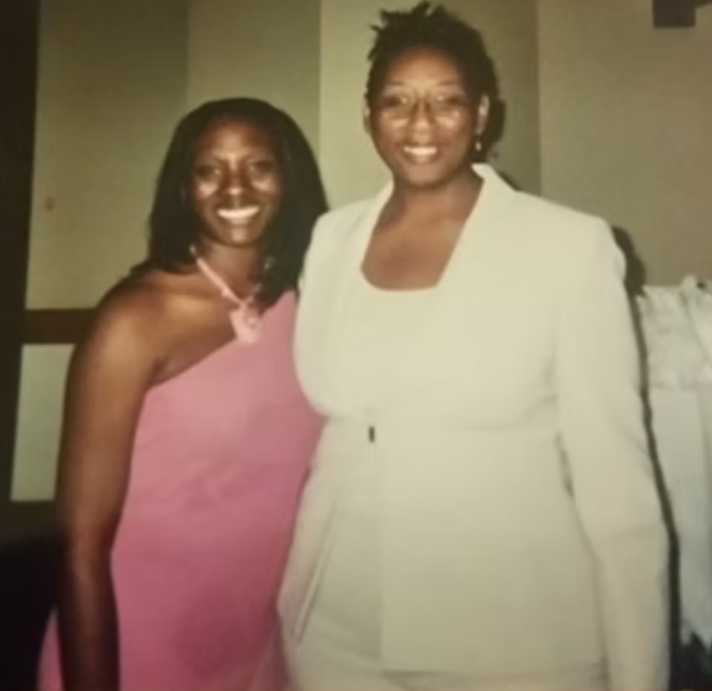
Remembering Alison S. Moore I had just spoken to her on Friday evening. I had planned to call her on Tuesday on my way to work. Monday was a holiday. But on that particular day, I received a worrisome message. I called as requested and found out that my friend had died suddenly and unexpectedly. I am sure I experienced all of the stages of grief at once and separately. Though I am no stranger to grief related to the death of a loved one this is the first time that I have lost a friend, a close friend. It was sudden. It was shocking. It is devastating. It hurts. Now I am left with memories and brokenness. We planned so much. It is hard wanting to call her knowing she will not answer. Her 39th birthday was coming up and a few of us were planning to surprise her with her favorite activities, a spa day. Grief. It sucks. Losing a friend sucks. It feels different from losing a family member yet more difficult in some ways. It is hard because some people assume that since you weren’t a biological family member that you are not as impacted or that your relationship is less than. Don’t get me wrong, I am not saying that everyone feels like this. There are some who understand and know better. Though I had not imagined losing a friend before old age, I have learned so much already through this experience that I believe is worth sharing as it could help others. 1. We may not be able to predict our death but we can prepare for it. You probably do not want to hear this, but it is true. It is hard to think about death and leaving our family and friends behind, but it is a reality. So while you are still here, you can make things easier on your family and friends by preparing. Preparation includes having your wishes and desires in writing, including a will and an advance directive. Even if you are a young adult in your late 20s or early 50s you should plan and update yearly or as often as you need to depending on your situation. A will is a legal declaration of a person’s wishes regarding the disposal of his or her property or estate after death especially: a written instrument legally executed by which a person makes disposition of his or her estate to take effect after death. An advance directive is a legal document that explains how you want medical decisions about you to be made if you cannot make the decisions yourself. An advance directive lets your health care team and loved ones know what kind of health care you want, or who you want to make decisions for you when you can’t. 2. Sometimes friends know people better than family. I recognize this can be a difficult concept for some people to understand but it is true. Think about your own relationships for a moment. It is commonly stated how you can’t choose your family but you can choose your friends. When you think about this, it shouldn’t seem like a foreign concept that it is possible to be closer to friends than some family members. 3. Let your friends know what you want to be done and how you want your things handled in writing. This is especially important if you know you have things that you would not want to be addressed by your immediate family or next of kin. This is particularly for things that may not be “will worthy” or things that you want to be handled privately. Consider outlining what you want to happen with those things and with whom you want them left with for safekeeping or disposal. Let this person know and put it in writing so that in the event something happens, carrying out your wishes will hopefully not be as difficult. You could also consider letting your next of kin know upfront that there are some things that you want to be handled by your close friends so that they are aware. Also, you should consider letting someone know your passwords or how to access your passwords for things like your phone and accounts. The designated person does not have to have it up front but should have instructions on how to find these things. 4. Be very attentive to the things your friends say especially when it pertains to important things. For example, when your friends say things like, “I was working on my (insert important document name here) the other day” or “I have a lockbox with important documents under my bed”. If your friend has a chronic or terminal illness, pay close attention to the things they tell you and ask follow up questions if you are not clear or don’t understand. They are sharing these things with you because they trust you and rely on your friendship. Alison S. Moore was truly one of a kind. She was one of the first friends that I made when I moved to Birmingham, Alabama after graduating from college. She was sensitive yet sarcastic. She was opinionated yet humble. She was strong-willed though she endured suffering. She was so thoughtful and a deep thinker. She did her best to turn lemons into lemonade. She was one of the best writers that I have known and encouraged me so much in my writing endeavors. She was brutally honest and called it just as she saw it. I appreciate that about her. She was passionate and generous. She was a true fighter and a true believer in Jesus Christ. I was inspired by her dedication to her “quiet time” with God that she would not allow to be interrupted with distractions. I am thankful for the mark that she left on my life and for a sustained friendship of 17 years. Rejoice with Jesus. No more pain. No more drama. No more
Pregnancy & Infant Loss: 10 Dos and Don’ts for Family and Friends

There’s a hole in my heart where joy used to be. There’s a hole in my heart where anticipation resided. There’s a hole in my heart where hope bubbled over. There’s a hole in my heart where you used to be. I will not get over it, but I will get through it. Coretta Collins October is pregnancy and infant loss awareness month. I have learned from my personal experience that losing a baby can be a very lonely place. It is a place of disenfranchised grief. Disenfranchised grief is grief that is hidden or unaccepted. It is often minimized and goes unacknowledged or invalidated by social norms. This makes it particularly hard to process and work through because people do not view it the same way as other deaths. Therefore, they tend to minimize your loss and your pain. Since my experience with losing my son, Walter, in the final weeks of pregnancy, (Stillbirth is Still Birth, Stillbirth is Still Birth…Continued) I have endeavored to not only help other mothers and families who have had similar experiences but to also help you. You the friend. You the aunt or uncle. You the mother of the mother. You the coworker. You the church member. You the sorority sister. You the grandparent. You the classmate. You the associate. Every. One. Of. You. Though the bereaved parents need much love and support, the loved ones need help too. This is especially the case when it comes to knowing what to say and how to say it. This is often a unique territory for loved ones and it is difficult to know what to say and not to say. So let me help you. I have made a list and I encourage you to share this with everyone you know because unfortunately you never know when you may need it. 1. Don’t say “God knows best.” This does not help the bereaved parents during the suffering. Deep down we know this may be true, but it is beside the point at the moment. Comments like this may minimize a person’s grief. It could also cause feelings of guilt and shame because if the person does believe in God, you have just made it seem as if they are not trusting in Him. This of course was not your intent but it could be taken that way. Try saying, “I am praying to God on your behalf” or “I pray God comforts you during this time.” 2. Don’t quote statistics. Grieving parents don’t care nor do they need to be reminded that around 20% of pregnancies result in miscarriage or that most stillborn babies are boys. In my case, I did not need the immediate reminder that the infant mortality rate of black women is significantly higher than white women. Though all these things are true, it is not appropriate to make these kinds of exclamations as a way to “help” the parents. These kinds of statements basically add salt to the wound and though they may need to be addressed at some point it does not have to be immediate. Before speaking, ask yourself if what you are going to say will lighten the load for the grieving parents right now? If the answer is probably not, then wait. 3. Don’t say “at least you can have another one” or “you can try again” or some other variation of this sentiment. This is insensitive even if well-intentioned. Having another baby does not negate the fact that you lost a baby, your baby. As thankful as I am to have my three living children, I always know in my heart that there were four. I often wonder what he would be doing right now and what his younger siblings would think of him. Think before you make this statement. Also, you don’t always know the circumstances surrounding someone’s pregnancy. This may have been the last opportunity for them to “try”. Instead say, “I am so sorry that you are experiencing this” or “I imagine losing a child is a lot to overcome” or some variation of these statements. 4. Don’t say, “at least you have other children.” This of course applies to the parents who have kids at the time that they have lost one. As I said in number two, having children already does not negate the fact that you lost “this” baby. Of course, the parents are grateful for the other children. They do not need to be “reminded” that they have them. Try instead, to offer to assist with the other children by watching them, cooking dinner, taking them on an outing, etc. Offer support to the other children if they are of age to understand what has happened. 5. Don’t say “God was protecting you from something.” This is impolite and does not convey the message you are trying to convey. Oftentimes, the “something” implies, the baby would have grown up to be a “bad” person, or the baby would have had a medical condition, or that you were not ready for a baby yet. The list of “somethings” can go on and on and it is likely that you do not mean for this to sound like that. A lady once told me that my baby was a “bad seed”. This did not make me feel better. I was stunned by her statement, but at the same time still so caught up in my tragedy that I could not appropriately respond to her. When we left her presence I cried. We know that God allows things to happen and that we must find a way to accept them but do not put words in God’s mouth because you feel the need to say something. Try leaving God out of it if you are unsure whether or not your intent will be misconstrued. 6. Don’t say, “you can get my children at any time.” Offering your children may seem like a nice gesture, but in essence, what you are
Happy Anniversary! 17 Years, 17 Lessons!
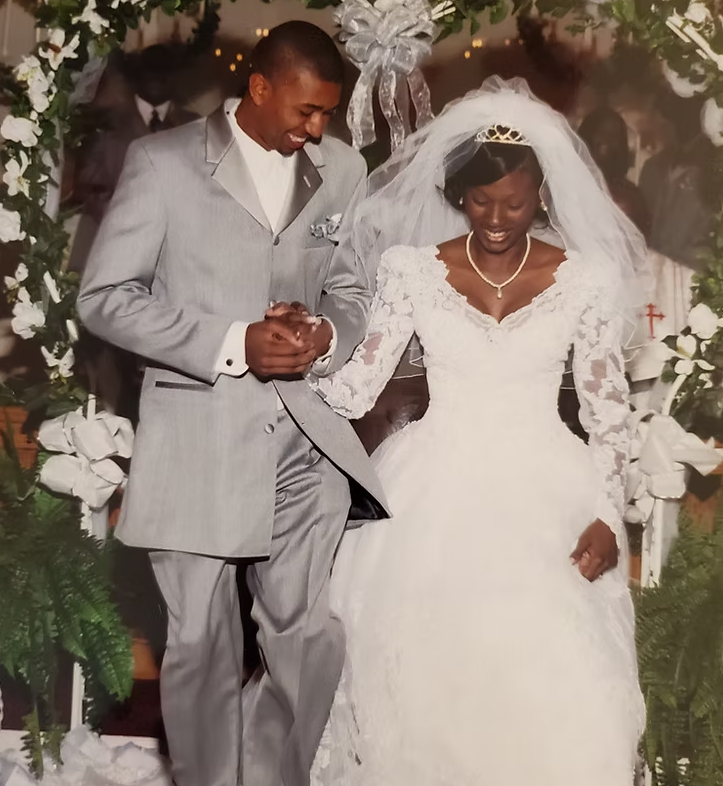
17 years! A lot for some, a drop in the bucket for others. Nonetheless, it is a milestone for us and deserves to be celebrated! It was a warm Saturday in October, 17 years ago that I walked down the aisle with tears of joy at my home church in Wetumpka, Alabama. I still remember the moment my mom confirmed that Floyd was the one. Even though I knew it, once she said it, that sealed the deal. She and God had a direct connection and to me, it felt as if He would call her directly about super important things. The day I graduated from college was also the day we became engaged. Even though we had talked about marriage, I had no idea that he was proposing that day, but judging by the number of people who were there when it happened, they all knew. We originally met in middle school at a summer program at our alma mater, Alabama A & M University. The exact grade is debatable. Floyd says 6th or 7th but I say 7th or 8th. Either way, it was a long time ago. We remained friends since that time in the early to mid-90s through letters, long-distance calls periodically followed by the free calls after 9 on the early cell phone plans. Now here we are 17 years later and we have gone through a lot along the way. I was discussing with Floyd that I wanted to do a blog post titled 17 years, 17 lessons to which he immediately agreed. We like to think of ourselves as purveyors of marriage. We know a lot but don’t know it all but what we do know we like to share and are huge supporters of marriage. So here are 17 lessons in honor of our 17 years of marriage. Now, obviously, this list will not be all-encompassing and may not apply to every situation but I am positive that you should glean something helpful from it. 1. Celebrate milestones. To have a great marriage, you have to commit to a great amount of work. Great marriages don’t just happen. Each year you thrive as a couple together deserves to be celebrated. It does not have to be an elaborate celebration but it does deserve some recognition and effort. In the early days when money was really tight, we rented a movie and ordered pizza that we shared on the floor. There was another time that we splurged on an overnight stay in a hotel room while I was in nursing school and I gave Floyd a bag of his favorite candies like sour gummy worms and Kit Kats. We still laugh about that until this day. Marriages are often attacked or compromised so each year you sustain a healthy one is something to celebrate! 2. Put each other first. This is after God of course. But this means that your spouse comes before your kids, your job, and your other family members. Yeah, it’s true too, so let it sink in. Think about it this way, Lord willing after your kids are grown and on their own and if your job lets you go tomorrow, you will still have your spouse. So in all of your considering, consider your spouse. Discuss all major decisions. Don’t let your kids come between you. Don’t let family members come between you. Your primary commitment is to your spouse. This was one of the first lessons we learned in pre-marital counseling and it has stuck with us. [A side note, if you are planning to get married- get good pre-marital counseling. If you are married and never had it- get it now. Some stuff will be trial and error but everything does not have to be.] 3. Argue fairly. You will not always agree. You will not always get along. But you can try to be fair. Listen to one another’s side but listen without the intent to dispute. Listen with understanding. Try to have arguments privately and to come to a mutual understanding because at the end of the day it’ll just be you two. Early in our relationship, I would get frustrated that Floyd would not put down the commode lid. I did not understand how he could do this and I thought “do you not care if I fall into the commode in the middle of the night?”. This was a source of contention for us. Eventually, we realized that the issue wasn’t really about the commode and we were able to work through it. I’m pleased to say that I haven’t fallen into a commode in at least sixteen years! LOL! 4. Embrace extended family and maintain boundaries. If you are fortunate enough to have in-laws, then it is to you and your spouse’s advantage to work to have a good relationship with them. We have been blessed in this department so I don’t really have any horror stories and for that I am thankful. I do encourage couples to have pre-established boundaries that you and your spouse agree upon and stick by them. I also say that if there is a particular issue then the direct spouse should address it with their parent or family member. For example, if my father is the offender in whatever the issue is, then I should talk to him because he is my father. I should not expect my husband to do it. Of course, this is all depending on the situation. And like I said, we have been blessed on both sides to have wonderful in-law relationships and our union and our family has been blessed because of this. 5. Nag not. Nagging leads to resentment. I admit this one took some time to learn. In my defense, I didn’t think I was nagging until he pointed it out to me. I thought that I was reminding him but apparently there is a difference. Ha! 6. Communicate clearly, concisely, and attentively. Be sure he
Multiple Myeloma; Get in the Know
He was in a car accident and hurt his back. At the hospital, he was found to have peculiar lesions on his spine. She noticed that she was getting more and more tired. When she finally sought help, she was very anemic. He noticed that he was urinating more and more but then it became less and less. Lab tests revealed he was in kidney failure. What did they all have in common? They all had Multiple Myeloma. And neither of them had ever heard of the disease. This seems to be an often occurrence. In my experience as a nurse practitioner, 9 of 10 patients who are diagnosed with Multiple Myeloma had never heard of it until they were diagnosed. It does not have the name recognition of breast cancer or even the familiarity of leukemia. Maybe it is because this type of cancer is relatively uncommon. This is a good thing but it is still impacting many people! Maybe because the name of this cancer doesn’t give most people an idea of where it happens in the body as easily as say lung cancer does for example. Whatever the case, over 32,000 people will be diagnosed with Multiple Myeloma this year. When you add that number to the number of people diagnosed in the last three years, you are already at over 100,000 people. A large majority of the persons diagnosed will be black. Multiple Myeloma is the most common blood cancer among black people. The pre-myeloma condition known as monoclonal gammopathy of uncertain significance (MGUS) is more common in black people too. What exactly is Multiple Myeloma? It is a pretty complicated cancer but I will break it down. We all have bone marrow (spongy tissue inside some of your bones) within our bones where parts of our blood cells are made. One particular type of blood cell is the white blood cell. The white blood cells help fight infection and are a part of your body’s immune (defense) system. There are many types of white blood cells such as B-cells (also known as B lymphocytes) and T-cells (T lymphocytes). Some B-cells turn into plasma cells. Plasma cells are the special cells that make a protein called antibodies. Antibodies are what help your body fight infection. Sometimes, the B-cell does not become a normal plasma cell and becomes a myeloma cell instead. These myeloma cells crowd the bone marrow causing problems for the person. Often symptoms are not evident but certain blood tests can lead to an early diagnosis. When signs and symptoms do occur, they can include: Eventually, a person may become anemic and his/her kidneys and bones may become affected. There are no known causes of Multiple Myeloma. We do not know why it happens but there are the risk factors. Risk factors include: Treatment is available and could include a bone marrow transplant, corticosteroids, chemotherapy, radiation therapy, and targeted therapy. In some cases, no treatment is needed but monitoring is ongoing. September is Blood Cancer Awareness Month. Though there are many types of blood cancers, there seems to be more of a knowledge deficit regarding Multiple Myeloma. Knowledge and awareness are essential to better take care of our health. If by reading this post, this is your first time learning about Multiple Myeloma, I hope you feel empowered. For more information on Multiple Myeloma please visit: https://www.mayoclinic.org/diseases-conditions/multiple-myeloma/, www.lls.org, or www.cancer.org. Had you heard of Multiple Myeloma before now? What did you take away from the information provided? How can you share it with friends and family?
Ovarian Cancer: The Silent Killer
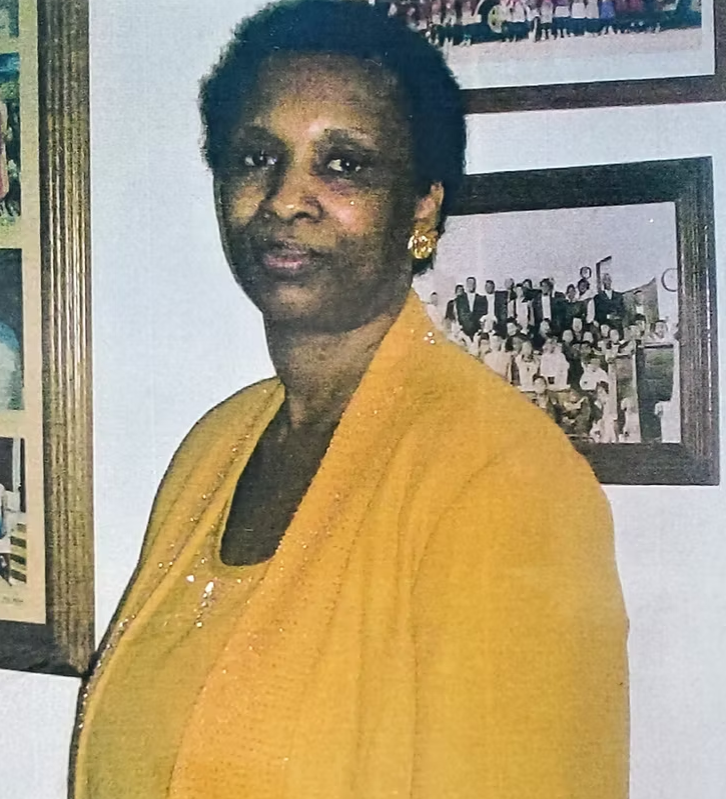
I was in shock. How could this be? No one in our family had this diagnosis. Ovarian cancer? Are you sure? As far as I knew, my mom had two first cousins who had breast cancer. I also knew that my dad’s sister had it. Otherwise, there was no other cancer in the family that I knew of and definitely not ovarian cancer. Late-stage ovarian cancer. The kind where surgery was not even a consideration because the disease had spread already. No wonder mom couldn’t eat much and got full fast. Cancer was taking over her abdominal area. Invading space where it did not belong. Making her nauseous and bloated. Initially, we thought she had heartburn but Prilosec and the like didn’t help. She began losing weight but this didn’t seem problematic because as a person who was overweight, who didn’t want a little weight loss? It wasn’t until the bloating, pelvic pressure, and back pain became unrelenting that more investigation was done. A urinary tract infection shouldn’t last this long, should it? She was no longer having a menstrual cycle because she had a hysterectomy a few years before due to a benign tumor, fibroids. Finally, she had a CT scan and then a biopsy. The list of what was wrong was short; cancer or tuberculosis. I was not a nurse practitioner at the time but I knew enough to say to myself “I’ll take tuberculosis for $200 Alex!” But it wasn’t tuberculosis. See Mom Had Cancer and Mom Died from Cancer. Ovarian cancer affects roughly 200,000 women yearly. It is the 5th cause of cancer deaths in women and is the deadliest of the cancers that affect women’s reproductive system. As women age, the more likely she can develop ovarian cancer. Most women are over 40 at the time of diagnosis. Ovarian cancer is nicknamed the silent killer because of the vague and non-specific symptoms that may present and it is most often found in the late stage of the disease. However, it is anything but silent. You do need to pay careful attention to hear the whisper sometimes. Below are signs and symptoms of ovarian cancer (can be all or some of these symptoms). Most commonly noted symptoms 1. Bloating 2. Trouble eating or feeling full quickly 3. Feeling the need to urinate more urgently or often 4. Pelvic or abdominal pain Less Commonly noted symptoms 5. Upset stomach or heartburn 6. Back pain 7. Pain during sex 8. Fatigue 9. Change in bowel habits 10. Change in menstrual cycles If you have symptoms that are new and last longer than two weeks, do not hesitate to seek medical attention. The persistence of symptoms can be a sign of something more. Due to the silent nature of many of these symptoms, meaning they don’t scream “something is wrong with my ovaries”, most cases are diagnosed in the later stages (Stage III or Stage IV). Only 15% of ovarian cancer is diagnosed in the early stages. Treatment for ovarian cancer mainly includes surgery and chemotherapy. Sometimes radiation therapy may be used. Women, pay attention to your bodies, men pay attention to the bodies of the women you love! Two weeks could make all the difference in the world. Each year in memory of my mom and in support of ovarian cancer research, advocacy and patient support, we participate in the Head Over Teal 5K sponsored by the Laura Crandall Brown Foundation. This year the race is virtual so you can participate from wherever you are! It will take place between September 18-26! Go to thinkoflaura.org and register for the team, Charlena’s Angels (my mom’s name was Charlena)! We will be glad to have you and appreciate the support. For more information on ovarian cancer please visit ovarian.org and cancer.org.
Pregnant Again! Happy Birthday, Eron!
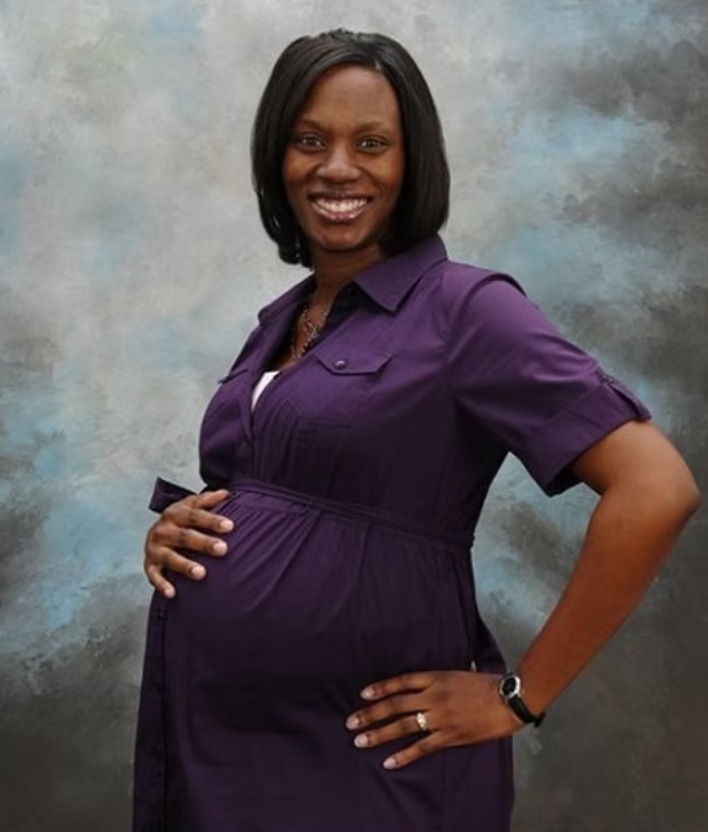
I was overwhelmed with excitement and a little nervousness when I found out I was pregnant this time around. My husband, Floyd, and I were on a getaway to Brasstown Valley in the Blue Ridge Mountains of Georgia. It was Labor Day weekend. We spent the weekend doing various activities including horseback riding and going to the spa. I don’t recall exactly how it donned on me, but somehow it crossed my mind that my monthly menstrual cycle was late. Immediately, we jumped in the rental car and headed down the mountain to find the nearest store. We hoped that it would be open. We found a Dollar General. I anxiously stayed in the car while Floyd went in and got some pregnancy tests. I’d told him to get a cheap test, a mid-priced test, and a name brand test. I didn’t want to take any chances, lol. When we got back to the room, I couldn’t wait to take the test. After what seemed like a small eternity the first test resulted positive. That should have been enough, late period and positive pregnancy test, right? Wrong! I proceeded to take the next two tests which both resulted in positive results. We were hysterical with glee! Before we left Brasstown Valley, I’d already calculated my due date and we were discussing names. I’d be lying if I didn’t say that even with all the excitement, in the back of my mind I thought about the baby we’d lost after nearly 37 weeks of pregnancy. (Stillbirth is Still Birth) However, I’d been psyching myself up for over 4 years to not let fear rule during our next pregnancy. I constantly recited “God has not given me the spirit of fear but of love, power and a sound mind” throughout the pregnancy. Shortly after my first OB visit, I was also sent to the maternal-fetal medicine specialist also known as the high-risk OB. This would be my life over the next several months, alternating between my regular OB and the high-risk OB. From the beginning, I was scheduled to see one or the other every 2 weeks. By the last trimester, I saw them weekly and got non-stress tests done weekly. My nurse was superb, down to earth, yet about her business. I had ultrasounds monthly. Going to the doctor often didn’t bother me a bit. I looked forward to it. It was comforting to be monitored so closely because it provided the opportunity to see and hear him often. As an added bonus, he was extremely active so I never had to question if he was alive or not. To this day he is my most active child while pregnant and while not, lol. The pregnancy went well! As I approached 37 weeks, I felt some unease, but each checkup was more assuring than the one before. I was told that I would be induced at 38 weeks unless I went into labor before then. This was a non-negotiable. My OB made it clear that she wasn’t taking any chances so it was planned that I would go to the hospital in preparation for delivery on April 27, 2011. However, we didn’t make it to the hospital that day. I received a call from my OB saying to get in a safe location and to not come in until the next morning. The course of history changed that day. Tornadoes swept across the southeast, significantly impacting many areas including Alabama, and especially Tuscaloosa. In fact, we ended up running away from the tornado ourselves as it was to impact our area. I felt like we were in a high-speed chase only it wasn’t the police after us. In the end, we were safe and traveled back to our home after the storms. We now had to be at the hospital by 6:00 AM on the morning of April 28th unless I received a call saying differently. We woke up and headed to the hospital. The roads were mostly empty and the atmosphere was solemn. It was still somewhat dark so we were partially oblivious to the impact the storms and tornadoes had on the area. Also, as you may imagine, we were preoccupied with the birth of our son. I noticed the stillness of the hospital. As a usually jovial environment, everyone seemed obviously solemn. It wasn’t until I was completely checked in and the TV was turned on that I realized what had truly happened. Our area had faced tremendous devastation that was sad, destructive, and deadly. Here we were preparing for one of the happiest moments of our lives yet despair was all around. It was a complex feeling. One of my biggest supporters, my uncle, met us at the hospital in preparation for delivery. He prayed and was a source of strength and love. Other family members came as the day went on and eventually filled the waiting room. My labor and delivery nurse reminded me of a seasoned midwife. She’d been a labor and delivery nurse for over 30 years and was calm yet comforting. She knew my history and if she had any alarming concerns, I never knew because her game face was on point. Labor and delivery were fairly quick. Right before 1 pm that afternoon our precious son was born, moving freely and crying well! It was a beautiful sight to behold. Our OB was treated like a rock star as all of my family wanted to take a picture with her. Our son was a superstar too, as signs and balloons greeted us upon transferring from the labor and delivery unit to the mother-baby unit! He was truly a rainbow after the storm of my previous pregnancy as well as the storms and tornadoes of April 27, 2011. My family and close friends knew I didn’t want a baby shower before I was sure I had a healthy, living baby so they didn’t give me one until after delivery. I learned that
Breastfeeding; 3 Reasons Why I Did It.
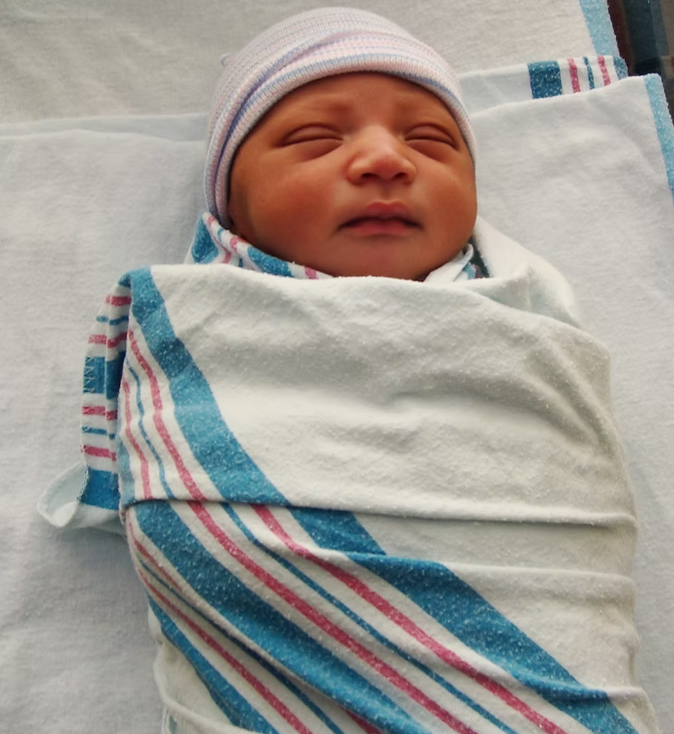
As a nurse practitioner and mother of three, few things stand out more than breastfeeding when I reflect on my motherhood journey. It is hands down one of the most rewarding yet most challenging experiences ever. This is doubly true in the beginning. Oh Lord, how I thought that I would not make it. Oh, how I contemplated giving up a million times! Oh, how discouraging it was when the thought of latching brought tears to my eyes. I am telling you, pregnancy was a breeze compared to the early days of breastfeeding. It’s no wonder that those of us who were born during the periods of the formula uprising likely dined on Enfamil or Similac! Nevertheless, I persevered. Below, you will see my top 3 reasons why. 1. I believed in the benefits for my babies. Breast milk is the most ideal nutrition for a baby because it comes from you and it contains EVERYTHING that a baby needs for the first 6 months of life. The composition of breast milk even changes to meet the baby’s needs. How amazing is that! Also, breast milk contains antibodies (protective blood proteins that help your body fight infections) that help your baby build immunity (ability to resist infection and disease). Breastfed babies are less likely to have infections such as ear infections, upper respiratory infections, and more! I breastfed (and by breastfeed I am talking about through latching and pumping for a bottle) my oldest son for 9 months before weaning him. I continued to pump and he was able to get breast milk until he was over a year old. He has never had an ear infection. He is my child that has been sick the least of all my children through the years. I attribute some of this to breastfeeding. The benefits can go on and on but these are the ones that meant the most to me. 2. I believed in the benefits for me. Have you ever noticed the body of a mom who is breastfeeding? For many moms, things just seem to fall back into place. The “baby fat” isn’t quite as noticeable. In addition to helping you lose weight (not all women lose weight), breastfeeding can help reduce the risk of postpartum depression, may delay the return of your monthly cycle and my personal favorite, reduce the risk of diseases such as ovarian and breast cancer. Breastfeeding can also help lower your risk of developing conditions such as diabetes mellitus, heart disease, and high blood pressure. I am a witness here! My blood pressure was much better when I was breastfeeding! Amazing right? 3. It is cost-effective. Have you seen how expensive formula is? Peruse the aisle the next time you are in the store just to check it out and then do a quick calculation of what it may cost to go through two cans of formula powder or six containers of ready to feed formula in a week or so. It can add up quickly! Now, I would be leaving out the obvious if I didn’t mention that though breastfeeding is a definite cost-saving, it is not always a time saver. So it is up to the families to do what works for you! I did love the idea that we were saving money as long as I breastfed and even when I supplemented. These things are not to say breastfeeding doesn’t have challenges because it definitely does. My middle child was not the best breastfeeder. I attribute a lot of this to the fact that he had pathological jaundice (a condition where yellowing of the skin and whites of the eyes happen within 24 hours of birth due to increased bilirubin levels which could be caused by liver disease) as a newborn and supplementing was encouraged to get him to have more frequent bowel movements while my milk was coming in. Bowel movements and phototherapy (light therapy) are the treatment for this condition and aids in the bilirubin levels going back to normal. In the end, I mainly pumped for him because latching proved counterproductive for us both. With my youngest, breastfeeding was challenging because she couldn’t seem to get enough milk when she nursed. I mean I could nurse her for an hour and she could have only gotten an ounce! That was so discouraging. My milk supply suffered and I had to pump in order to be sure she was adequately fed and to help increase my supply. However, despite all the ups and downs of my breastfeeding journey, I am thankful for the opportunity to have done it. And though I sigh deeply sometimes at the thought, if I had to do it all over again, I would. Oh, but don’t get any ideas! Our infant years are behind us, we are happily and gratefully retired. August is National Breastfeeding Month! A time to celebrate with families and to promote awareness. Breastfeeding can provide an inexplicable bonding between mom and baby. Not to mention comes in handy in the midnight hours when you can feed without getting out of bed. If you are in awe of how the body works like me, you may find yourself completely fascinated with how your body can adapt and create food for another human. God’s design is amazing! High five to all the breastfeeding moms and aspiring breastfeeding moms out there. Hang in there as long as you can and try not to feel guilty when you need to let it go! Every bit of what you do for your baby is wonderful. High five to all the moms who chose not to breastfeed or cannot breastfeed. I am sure you made the best decision for you and your baby and you should stand firm in that! My advice to all moms who want to breastfeed is to give it a thorough try and get positive support. My advice to all moms who are not sure about breastfeeding or who do not
Lessons Learned from Patients with Cancer
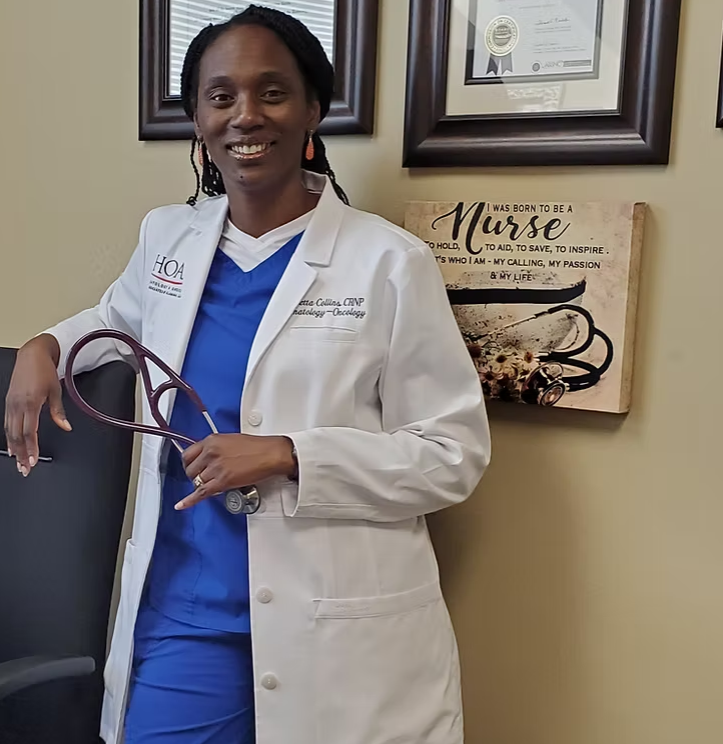
On August 12th I celebrated 7 years as a nurse practitioner in hematology and oncology! I remember the excitement and the trepidation I initially felt as I started my nurse practitioner journey. I was new and eager to learn. I was excited to have landed a nurse practitioner job in my number one specialty choice. It has been therapeutic and enlightening. It has also been challenging and rewarding. My journey to oncology started with the diagnosis and passing of my dear mother to ovarian cancer. Mom Had Cancer Mom Died From Cancer When I started working with current practice, I expected to care for patients and families and to be instrumental in their healthcare journey. I expected to give and never expected to receive. I could not have imagined how much the patients would teach me. There are a lot of things that I could share but I will stop it at 7, a lesson for each year. Here are 7 things that I have learned from patients who have cancer or a blood disease. 1. It can always be worse, but at first, it feels like the worst is happening. Though I have never felt the emotions personally, I have witnessed them many times. You are either coming to our practice with hopes that we will dismiss any cancer claims or you are hoping that things are not as bad as it sounds. No one wants to be told that they have cancer. It is scary. It can be isolating. It is life-changing. Yet, I have had patients who say that it could always be worse. When I first heard patients say things like this, I was baffled. In my mind and my experience, nothing seemed worse than having cancer. My mother’s journey was wrought with difficulties. Nothing seemed worse than having to receive treatment for cancer. Much of what we use to treat cancer has unpleasant side effects. Though we can manage many of the side effects, they can still take a toll. Losing your hair, losing your appetite, nausea, vomiting, and diarrhea are just a few potential side effects. But, it can always be worse. What can be worse than fighting for your life because of a cancer diagnosis? The thought of the cancer treatment not working can be worse. The treatment actually not working can be worse. The loss of a limb ((through cancer or a cancer complication) that can cause permanent impairment can be worse. Getting a new cancer altogether while fighting the current one can be worse. Getting a new cancer after the original cancer can be worse. And I have seen every one of these situations. To many patients and family, dying is the worst that could happen. By being able to fight, patients realize that it could always be worse and I understand this perspective. 2. Attitude really does determine altitude. You have probably heard this saying. I never thought that it would apply to cancer patients. However, patients who take a “let’s kick cancer’s butt” approach seem to do better than patients who go into it with a more defeated attitude. In fact, research shows that patients who have a more positive outlook have fewer hospitalizations. Now, this is not to say that patients should not cry or be sad regarding his or her cancer diagnosis. Of course, they should, fewer things are more life-altering than a cancer diagnosis. However, while working through the emotional rollercoaster of a cancer diagnosis and treatment, landing on a positive outlook goes very far. 3. Good support goes a long way. I have seen patients who had family and loved ones with them every step of the way. From coming with them to their initial appointment to bringing them to treatment, to making sure they picked up prescriptions and making sure they have everything they need at home. Then there are others who may choose to battle privately and keep their family and friends completely in the dark. Others lack family and friend support due to various reasons and end up fighting mostly alone. For some, transportation arrangements and medication delivery are needed. It seems more lonely for these patients. Those who have good support seem to worry less. These patients also tend to be less depressed and are more likely to fight. I encourage you to consider your support system. Know who you have in your corner who will fight with you should you ever need it. 4. Age ain’t nothing but a number (in my Aaliyah voice). Going into oncology and hematology, I knew that cancer could happen at any age. I knew that you could be young and have it. My mom was only 48 years old when she died. However, working in it pulls on your heart, even more. I have seen patients as young as 19 and as old as 100. It really solidifies the fact that cancer doesn’t care how old someone is. You can have cancer at any age. 5. Resilience. The most resilient people I know are fighting cancer or living with sickle cell disease. I have never seen more resilient people than those who are fighting life’s greatest battle or those who were born with a life-long battle. It is so encouraging and amazing to see. I have had patients who have accepted sad or bad news better than me and they are the patient! I have had patients who check on me and my family, yet they are the ones receiving chemotherapy, radiation, and dealing with the sometimes terrible side effects. 6. Life outside of cancer including careers, family life, and hobbies. I have learned to focus on the “whole” person and not just on the diagnosis. A person may have a diagnosis but they are not ruled by it. When you take care of patients with cancer or blood diseases you get to know them well. Some of them adopt you into their families. I have learned a bit about a lot of
6 Months of Confessions!
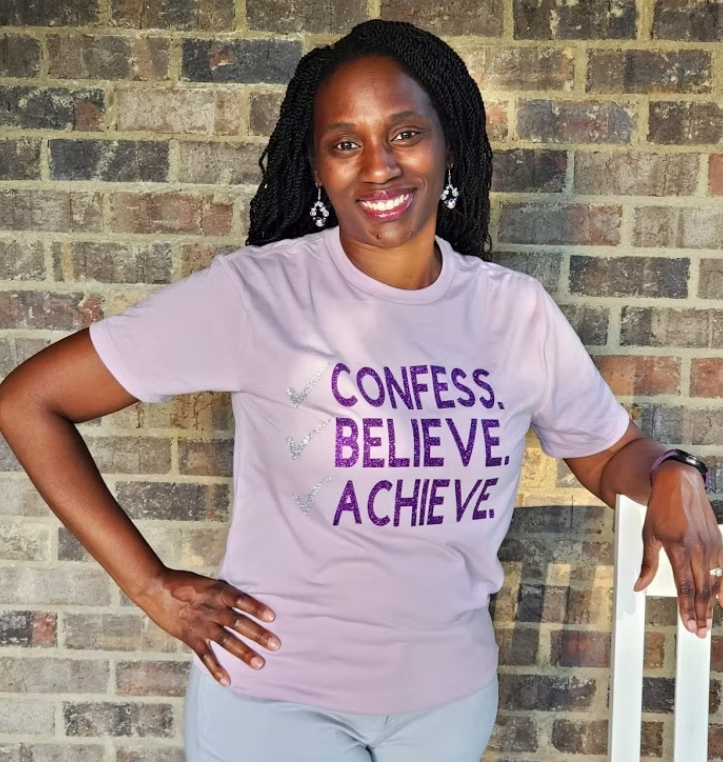
I cannot believe it has been 6 months since the launch of Confessions of a Nurse Practitioner! Thank you for being on this journey with me. We are halfway to a year and I have learned and grown so much! Now I know that we have all learned a lot considering how non-traditional this year has been. However, as it relates to this post, I am specifically, talking about the last 6 months as it relates to the Confessions of a Nurse Practitioner blog. Confess. Believe. Achieve. That is how it all started. In honor of this 6-month milestone, I am sharing 6 confessions with you. I’m not Usher, but these are my confessions… 1. I was not a fan of social media. I didn’t understand the power of it or the community aspect of it. To be honest, I didn’t see much of a point to it outside of seeing posts of friends. I didn’t get Instagram until this year and my activity on Facebook could best be described as irregular. Twitter, well, we won’t even go there right now. Ha! This all changed with the launch of the blog! Along the way, I have grown to really like Instagram. I’m still learning but I’ve come a loooonnnnggg way! I set a goal to have 600 followers on Instagram and the Confessions of a Nurse Practitioner Facebook page by the 6-month mark. So far I’m falling short of my goal on Instagram so go ahead and follow me on Instagram @ccthenp! The Confessions of a Nurse Practitioner Facebook page has exceeded my goal and expectations! Thank you for your support and engagement! 2. I was afraid to commit to publishing blog posts weekly. I decided on every other week because I lead a full life, but I’ve managed to publish quite a few bonus posts! Bonus posts are posts that are published during my schedule’s off week. Initially, I had many weeks of content planned but I had to shift gears many times due to the uncanny year that we have had. I originally thought that the blog would primarily focus on cancer but I was inspired to do more. I realized that there was so much more to what I wanted to share and more people I wanted to help. Believe it or not, I am a pretty private person. However, through the blog, I have found the courage to share, but not only that, I enjoy sharing my story. Nevertheless, I still get nervous before publishing because I am terrified of errors. This is despite a few rounds of editing. 3. I didn’t plan to start Confessions Chat with CCTHENP. It kind of just happened after the virtual blog launch party on Facebook Live. That was my first time going live ever, by the way. It started with my dad asking, “so when are you doing another video?” followed by several others asking similar questions. So, Confessions Chat has become a monthly feature on Facebook Live in which I discuss topics from the latest blog and social media posts! Speaking of social media posts, I only learned to take selfies since starting the blog. To be completely honest, I am still not confident in my skills. 4. I never thought that I would have a blog. I have always known that I would be an author and have published works including books but I never imagined that I would be a blogger. The idea was totally divine and I’m thankful that I was obedient. I had to push past my insecurity and thoughts of inadequacies to start the blog. Sometimes I am my own worst critic. I wondered how I would find the time to write but I also knew that once I started, there would be no stopping. I was going to have to be all in. I was going to have to make it happen, no matter what. 5. I did not expect so many doors to open within the first 6 months of the blog launch. I thought that it would we within a year. I am incredibly grateful. Within the first 6 months, I have been a guest on a podcast, conducted educational sessions, and became the member of the month for my writing community (See Jane Write)! I have been surprised that my posts with the most views and circulation have not been completely health-related. You can see the top 6 posts over the past 6 months here (Beach Vacation during a Pandemic, Back to School during a Pandemic, Mom Died from Cancer, COVID Amnesia, Race Matters; Equipped, Qualified & Black, Stillbirth is Still Birth ) This tells me that health topics are not all you expect from me. I plan to keep delivering! 6. Launching the blog has been a dream come true. It has officially made me a writer which has been a lifelong aspiration. I have so many ideas firing in my brain that sometimes I become overwhelmed at the thought of how I am going to write about them all. Once I recollect myself, I remember that I can only write one word at a time. I wonder if I will be able to keep the blog going as I dive deeper into book writing. I sure hope so. I Confess. I Believe. I will Achieve. The journey so far has been amazing! I thank you all for taking the time to read what I write and for listening to what I have to say. The purpose of Confessions of a Nurse Practitioner is to share insight, promote health, and provide education. I hope that what I have to offer continues to help you and your loved ones. May you be healthier than you’ve ever been and may you learn more than you ever imagined. Wherever you are on your journey and in whatever capacity, may your dreams come true. Confess. Believe. Achieve. Join me in the #confessions challenge on Facebook and Instagram where you will share
Back to School during a Pandemic

Traditional, virtual, remote, blended, traditional, virtual, remote, blended, traditional, virtual, remote, blended, they are like buzz words flooding our timelines, inboxes, thoughts and conversations. As school systems are trying their best to prepare for school to start back, so much is being considered and it seems that school systems, teachers and parents are in a tailspin. Maybe a little perspective will help parents in their decisions. If we are strictly talking about safety, then in your heart and mind you know that the virtual (also known as remote) schooling option is the safest. Safest means to be protected from or not exposed to danger or risk; not likely to be harmed. So in terms of what is safest, it should not be a surprise to anyone that when it comes to the COVID-19 pandemic that the safest option for children is being home and being home means choosing the virtual platform for education. A quick review of COVID-19 (Coronavirus). You are probably familiar by now, but here is a reminder just in case. The coronavirus is a contagious and highly infectious virus that first came to light at the end of 2019. The virus is spread in respiratory droplets and by contact. Symptoms usually manifest within 2-14 days of contracting the virus and cases can range from mild to severe. Some people are asymptomatic carriers of the virus meaning they have the virus but have no symptoms. Most persons who do contract the virus have mild symptoms. Symptoms include cough, loss of taste and smell, fever, shortness of breath, headache, and more. Refer to the cdc.gov for additional information. Because it is a new virus, we do not have a vaccine or a cure available at this time. Scientists are steadily working on this. In the meantime, the best treatment is doing what you can to prevent contracting the infection. Properly wearing a mask, frequent hand washing/sanitizing, social distancing (6 feet apart) and avoiding large crowds are your main lines of defense. The proper way to wear a mask (thumbs up). The WRONG way to wear a mask (thumbs down). See more here. COVID Amnesia COVID Uncertainty Though safety is the priority consideration, it is not the only consideration. If this were the case, there would not be so much back and forth over what to do and what not to do. There would not be so much conversation about how to best transition back to school and what choices the parents are making for their children. This is because though safety is the main priority, it is not the only priority. Each family has to determine what is best for them. The virtual format may not be feasible for everyone. The format comes with challenges despite the fact that it is the safest option. Though it is the safest, many parents must work outside of the home to support their families. Though it is the safest, not all parents who work from home can truly “work” and become the virtual school facilitator/teacher for their children. Though it is the safest, not all parents have the proper tools, training, wherewithal and if I may be completely honest, the patience and desire to meet the particular needs of their children virtually. The impact can be even greater in families who have more than one child. There are also many parents who may not have outside support to help with what could be considered homeschooling. Some parents are not able to afford tutors or nannies who could help them either. Some don’t have family members or friends who are able to fill in the gap for them. So the question really becomes what is the safest, most realistic and practical solution for your family. Depending on your life’s circumstances the “safest” approach may not be the best approach for you. In this case, you do your best to make your option, the safest for you. It is also important to remind ourselves that for the most part, our teachers and school systems have the best interest of the students in mind. Therefore, the administrators, teachers and staff are tirelessly working to come up with the best scenarios to keep students and staff safe. School systems need our support and constructive criticism. Keep in mind that the decision to start school come August or September did not lie in the hands of the various school officials in the school districts. So asking questions such as, “Why are they starting school right now?” and “What are they thinking by starting school?” is counterproductive and only adds to everyone’s stress. In my case, the option that works best for my family is the traditional option. I have three children, ages 9, 7 and almost 4. As a nurse practitioner, I am not able to work from home and even if I was, I’m sure my work and their schooling would be impacted. Additionally, my husband’s career is within the school system. Therefore, we’ll have to do our best to make the traditional option as safe as possible for our kids. Here are 10 things I am doing to prepare my children to return to school in the traditional format. 1. Mask training. If your children are like mine, they haven’t been in public much since March so they are not accustomed to wearing a mask for hours a day. Gradually start getting your child accustomed to wearing a mask by starting with short periods of time at home and increase the time each day. For example, we’ll start with 10 minutes and increase to 15 minutes and so forth. Encourage your child not to touch the mask which is very hard for children. Be sure the mask is a proper fit for your child. This will help deter some of the touching. Consider using a lanyard to keep your child from losing the mask and to keep it from falling on the floor when eating or drinking. The lanyard will connect to one of