
Prostate Cancer: Do You Have to Have a Rectal Exam?
There are few things that men find more petrifying than a prostate exam. The words alone suggest discomfort and embarrassment. It could be considered the male equivalent to a woman’s pap smear. Many men are reluctant to have conversations related to their prostate health with their health care professionals. Some men stay away from the clinic no matter what. But what if I told you that you could have an open discussion with your health care provider and perhaps never have to have a digital rectal exam (prostate exam)? Would it seem less scary, less daunting of a task? I hope so. So men, listen up. You can see your health care provider and discuss prostate health and prostate cancer WITHOUT having to get a prostate exam. This should be good news for many men. However, some men will still need a digital rectal exam BUT this is determined on an individual basis between you and your health care provider. The American Cancer Society has a specific set of guidelines to be used to determine the need for prostate cancer screening. Screening for prostate cancer includes the blood test known as the prostate-specific antigen (PSA) as well as the digital rectal exam (DRE). Depending on the conversation between you and your health care provider a PSA may be ordered. Depending on the result of this test, a DRE may be recommended. According to the American Cancer Society, screening discussions should be considered among the following populations. Of course, if you are having symptoms of a prostate problem such as blood in your urine, pain, painful urination, or frequent urination you should discuss with your health care provider right away. Prostate cancer is the most common cancer among men aside from skin cancer. It is also usually a very slow-growing cancer. Most prostate cancers are found early due to screening and early prostate cancer does not usually have any symptoms. More advanced prostate cancer can sometimes have symptoms such as erectile dysfunction, pain in various bones, blood in urine or semen, or loss of bladder or bowel control. However, most of these symptoms can also be caused by a more likely culprit like benign prostatic hyperplasia (BPH). BPH is a non-cancerous growth of the prostate. Many treatments are available for prostate cancer including surgery, chemotherapy, radiation, and hormone therapy. Some men do not need any treatment at all. They only need surveillance. There is no guaranteed way to prevent prostate cancer but you can lower your risk through maintaining a healthy body weight and diet. Many of the risk factors for prostate cancer are uncontrollable such as age, race, and family history. Because prostate cancer is so common among men, it is in everyone’s best interest to be aware and to feel comfortable discussing with your health care provider. Early intervention is key. Hopefully, knowing that a DRE may not be required will help men feel empowered regarding their health. For more information go to cancer.org. Do you need to have a discussion on prostate health with your health care professional? How can loved ones support and encourage men to communicate openly and honestly with health care professionals?
Mammogram? Yes Ma’am!
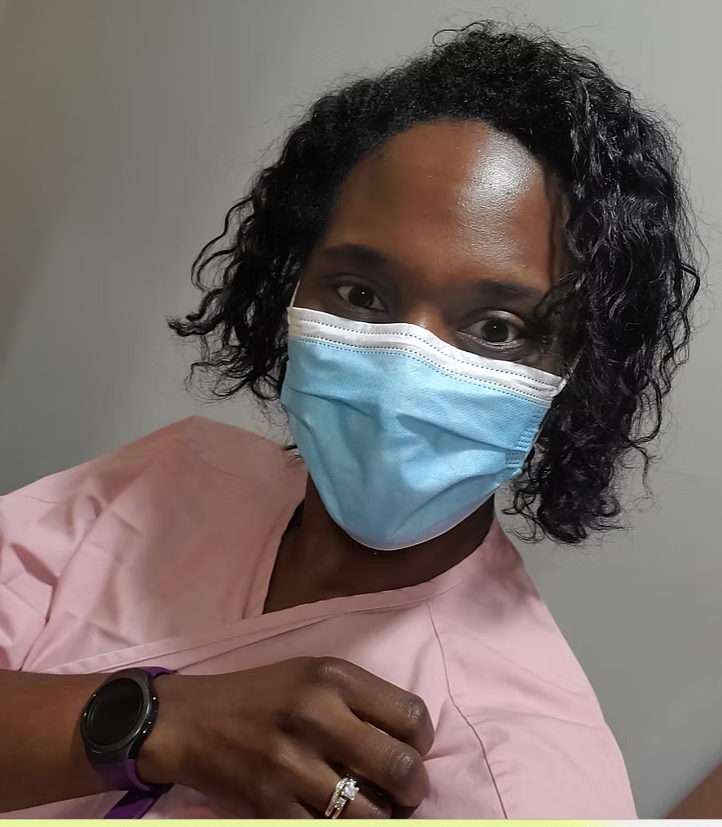
I admit I was a little nervous. It is like a rite of passage yet a green mile walk at the same time. Incidentally, I had recently received news that someone close to me who is also younger than me had been diagnosed. I regretted not having my baseline at 35 when my gynecologist first told me too. Now, here I was a few months before turning 40 and going to have my first mammogram. I was not expecting anything to be wrong but I would be lying if I said I had zero concern. Though it is not common, I have seen patients in their 20s with breast cancer. As a nurse practitioner, I know the benefits as well as the risks of screening. I also educate patients often about the importance of getting a mammogram. So what is a mammogram? It is an x-ray picture of the breast used to identify early signs of cancer. The breasts are compressed between plastic plates to allow for imaging. The range of discomfort varies but it is not particularly painful to many women. Mammograms could detect cancer 3 years before a person can actually feel the lump. Because screening can detect what you cannot, it is important to discuss the timing of your mammogram with your health care provider. When should you have a mammogram? The recommendations were modified a few years back but 40 is still a good rule of thumb. At least by 40, you should be discussing with your healthcare provider. Here are the specific guidelines as detailed by the American Cancer Society. Recommendations will vary for persons who have a close family history of breast cancer or a personal history of breast cancer. Also, if a genetic cause has been identified, the recommendations will likely be different. Expect more frequent screening depending on the personal situation. Breast cancer is the most common cancer among women with around 275,000 cases expected to be identified this year. One of the best things that you can do to be proactive about your health is to have a mammogram according to the recommendations above. Discuss scheduling with your primary care provider, women’s health provider, or gynecologist. Mammograms are covered by most insurance plans. There are also programs for those who do not have insurance who may need financial assistance for screening. Remember, prevention is better than treatment and early intervention is better than late intervention. Mammogram? Yes, ma’am! Are you approaching the age of needing a mammogram? Do you need to make your appointment for your yearly screening? Have you been putting off having your screening?
Sugar Ain’t Sweet. Diabetes: 3 Things to Know.
Excuse my grammar, but all sugar ain’t sweet. Ok, all sugar is not sweet. Well, it may taste sweet but the consequences are more sour than anything. It may seem sweet, but the effects can be devastating. This is the case with Diabetes Mellitus aka “sugar” aka “sugar diabetes”. Diabetes Mellitus is a metabolic disease in which the pancreas does not make enough insulin or in which a person’s body develops insulin resistance. Insulin is a hormone that helps sugar(glucose) from the bloodstream go into cells of the body for energy storage and use. When insulin fails to do this, too much sugar is in the bloodstream. This can lead to Diabetes Mellitus which can lead to many complications such as kidney damage, vision and hearing loss, and heart problems. There are a few types of diabetes: Prediabetes– blood sugar is higher than normal but not quite high enough to be considered diabetes Gestational Diabetes– diabetes that occurs in pregnancy Type I Diabetes– diabetes that usually develops in children or young adults in which the pancreas does not produce insulin Type II Diabetes– diabetes that usually develops in persons 40 and over due to insulin resistance. This means the body’s cells do not respond properly to insulin. The pancreas works to make more but finally gives up or can’t keep up. Since Type II Diabetes is the most common and the type that can be most likely modified we will explore it a little more in-depth. Here are the top 3 things you should know. 1. It can be prevented or reversed. About 1 in 10 people have diabetes and over 90% of these people have Type II Diabetes. This is an alarming statistic, but with proper lifestyle modifications including healthy eating, increased physical activity, and weight loss diabetes can be prevented. Diabetes can also be treated with medication if needed. Medication can help reverse diabetes or at the very least control it. 2. Risk factors include family history, race, age, and weight. You are more at risk if a parent or sibling has diabetes. Black, Native Americans, Hispanics and Asian Americans are at increased risk. The older you are the more increased the risk. If you are overweight or obese you are at increased risk. 3. Symptoms include excessive thirst, excessive hunger, and excessive urination. Additionally, you may lose weight without trying, develop blurry vision, have numbness or tingling in your hands and feet, and feel more fatigued. Some of these symptoms are not obvious until later so it is important to have routine follow-ups with your health care provider to be sure. If you do not have diabetes, a blood test called a hemoglobin A1C can be done yearly. If you are diabetic, it will likely be done every 3 months. Prevention is better than treatment. Diabetes is an excellent example of this sentiment. I encourage you to take the necessary steps to prevent diabetes. If you have diabetes or prediabetes, it is not too late to begin lifestyle modifications to reverse or lessen the impact. Knowledge is power but action is the key. For more information on Diabetes Mellitus please visit the American Diabetes Association at diabetes.org.
COVID-19 Vaccine: What You Want to Know.
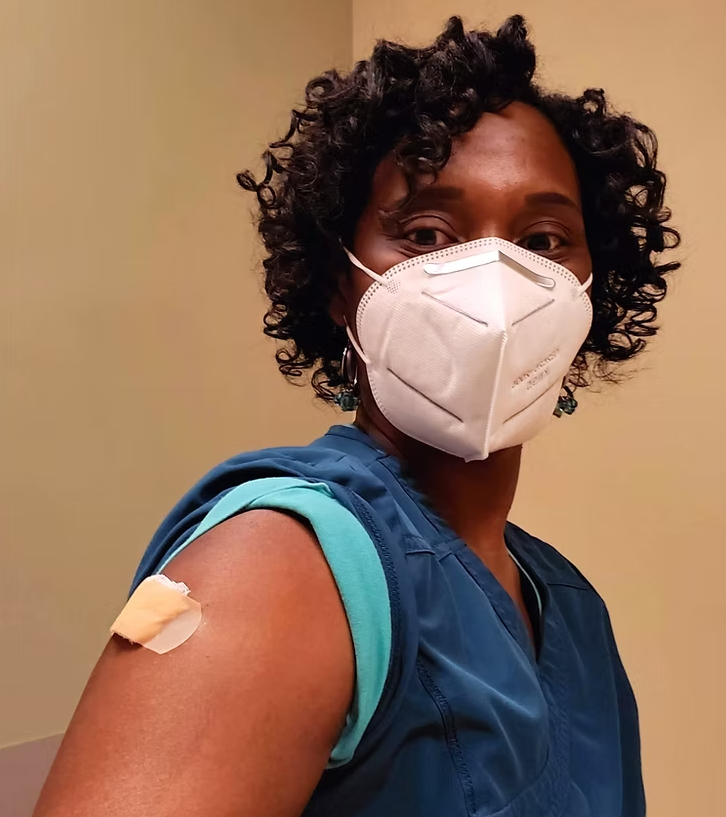
I had mild nervousness and major excitement when it came time for me to get my first COVID-19 vaccine. Admittedly, this is new for all of us but an incredibly big step toward a better future. If we all want a better future, the end of people losing their lives to this awful virus, and a chance to take off that contentious mask (way down the road) then why are many of us resistant to the very thing that should help us? To understand where we are going, let’s look at where we’ve been. It was 1796 when Edward Jenner developed the first successful widely talked about vaccine by taking the pus from one’s blisters and putting it into the person. This innovation led to the eradication (complete destruction) of the deadly Smallpox virus. Most people do not think twice about the common vaccines of infancy and childhood such as the vaccines for varicella (chickenpox), measles, mumps, and rubella to name a few. These diseases are usually widely controlled and mostly nonexistent in vaccinated persons. I recall having chickenpox as a child and it was a horrendous experience. In fact, I still have scars that haven’t completely faded due to my itchy battle with this villain. However, because of the vaccine, I do not have to worry about my children suffering from chickenpox. As adults, the most common vaccination is the influenza vaccine (flu vaccine). This is a vaccine that changes from year to year depending on the strains of the virus. Nearly 50% of the American population receive one which results in less spread of the flu, fewer hospitalizations due to flu complications, and fewer symptoms in persons who do get the flu if they have been vaccinated. Now let’s talk about where we are and where we are going with special contributors on this very important topic. One contributor is Dr. Khaleel Ashraf of Hematology & Oncology Associates of Alabama who happens to also be my wonderful collaborating physician. Nurse Practitioner, Rachel Messer of Hematology & Oncology Associates of Alabama also joins in contributing. She is my colleague, friend, and the chairperson of our practice’s COVID Task Force. Finally, Dr. Eima Zaidi is a respected infectious disease specialist of Birmingham Infectious Disease and Infusion who I have had the pleasure of knowing for several years. I presented the contributors with questions and they provided answers that you can trust regarding the COVID-19 vaccine. What’s all this about the COVID-19 Vaccine? 1. The COVID-19 vaccines are manufactured by two companies, Pfizer and Moderna. You have to be 16 years old to receive the Pfizer vaccine and 18 years old to receive the Moderna vaccine. Why is this? Dr. Zaidi– In the Moderna vaccine trial, the participants recruited were 18 years and older whereas in the Pfizer trial the participants recruited were 16 years and older. Hence these vaccines are approved for the ages based on the way the trials were conducted. 2. If the vaccines do the same thing, why are they on two different schedules with the Pfizer vaccine being two doses given three weeks apart and the Moderna vaccine being two doses given four weeks apart? Dr. Zaidi– This was how the clinical trials of the two vaccines were conducted. However, according to the CDC, the timing of the 2nd shot doesn’t have to be exact and can be given four days earlier or later for both the vaccines. 3. If vaccines usually take years to make, how did this one get made so quickly and should I be concerned about its safety? NP Messer– There are several reasons this vaccine was able to be produced quickly, but no corners were cut! Given the extent of the global pandemic, there was global cooperation from the scientific community, a wealth of funding and any applications related to COVID were moved to the front of the line for review. Scientists also were not starting their research from scratch. COVID-19 is a specific type of virus from the coronavirus family which has been being studied for years. Recruitment of trial participants was done quickly as so many people were eager to volunteer. Although the trial participants are continuing to be monitored, any significant side effect from a vaccine would be evident in a matter of weeks to short months. After this time period passed and all the data was reviewed by the FDA, the Moderna and Pfizer vaccines were made available to the public. There are several other vaccines in development as well. 4. What long term effects should we expect from the vaccine? Dr. Zaidi– These vaccines were developed at a record pace however, there were no corners that were cut. These were rigorous clinical trials and no safety concerns were identified despite the sped-up production. Tens of thousands of people in these trials were observed for two months after the final dose to make sure there were no uncommon side effects and there were none. 5. If I’ve already had COVID-19 do I still need the vaccine and if so how long should I wait before receiving it? Dr. Zaidi- Getting COVID-19 infection might offer some natural protection from reinfection but it is not clear how long this protection lasts. However, there is good evidence that the reinfection is rare in the first three months of contracting Covid 19. Hence the recommendation is to wait until 90 days after your diagnosis to get a Covid 19 vaccine. 6. Why is it a two-dose vaccine series instead of one dose? Dr. Zaidi– During the trials for the vaccine, protection was assumed to be less after only one shot, and hence a second shot was given for the vaccination to provide 95% protection. 7. How soon after having the vaccine can I see my family and friends? Dr. Zaidi- You can see your family and friends but not for at least a week after the second dose in order to give your immune system time to produce protective antibodies.
Black History Month Highlights: Women’s & Perinatal Health
Black History Month was originally Negro History Week and was founded by Carter G. Woodson with the goal to educate others about Black history. It is particularly a month of pride and distinction and one in which I hope to spread a little extra knowledge about a few people who you may not know. Given my previous experience of stillbirth, I am passionate about issues concerning pregnancy and early infant loss. Through Confessions of a Nurse Practitioner, I plan to highlight issues and concerns pertaining to this area including women’s and perinatal health. Perinatal health refers to the health of women and babies before, during, and after birth. Unfortunately, black mothers suffer from higher rates of miscarriage, stillbirth, preterm complications, and infant loss. Additionally, black mothers die at a rate of three times higher than other races. This is a public health crisis that deserves our attention and resources. Thankfully, there are some organizations and trailblazers who are working to improve these statistics. Meet these four Black History icons in women’s and perinatal health. These professionals share or have shared by helping to improve pregnancy outcomes while working to determine causes of pregnancy and infant losses and or losses of mothers. Years ago it was pioneers like Margaret Charles Smith who birthed babies and nurtured the mothers of the babies through her work as a midwife. Born and raised in Eutaw, Alabama, her mother died just three weeks after giving birth to her. She was raised by her grandmother and took up midwifery at an early age. Having earned her midwifery permit she went on to birth over 3500 babies in rural Alabama and she never once lost a mother during the process. Additionally, she lost very few babies. She was the first Black person to be given the key to the city of Eutaw and she co-authored a book with Linda Janet Holmes entitled Listen to me Good: The Life Story of an Alabama Midwife. Smith lived to be nearly 100 years old before her death in 2004. Dr. Yvonne Thornton was the first black woman in the U.S. to be board certified in high-risk obstetrics. She is also double certified as a perinatal consultant and specialist in obstetrics and gynecology as well as maternal-fetal medicine. She is an outspoken advocate of women’s health issues. Dr. Thornton established and developed the program for a new form of early prenatal diagnostic testing known as CVS (chorionic villus sampling). She was one of the original American investigators whose CVS results were relied upon by the FDA prior to granting approval for the procedure. She chronicled the story of her father’s dream that she and her sisters become doctors in her best-selling memoir, The Ditchdigger’s Daughters. There are also trailblazers who have started organizations to help combat the issues of pregnancy loss and maternal mortality. Dr. Joia Crear-Perry an obstetrician and gynecologist, is the founder of the National Birth Equity Collaborative. This organization works to optimize Black maternal and infant health through training, policy advocacy, research, and community-centered collaboration. A primary goal is to eliminate racial disparities in birth outcomes by focusing on the social determinants of health-driven by racism, classism, and gender oppression. Nicole Deggins is a Certified Nurse Midwife and birth advocate who founded Sista Midwife Productions. Deggins is on a mission to end perinatal disparities and to show Black and Brown mothers how they can advocate for themselves. Sista Midwife Productions, based in New Orleans, LA provides education, training, and consultations for communities, birth workers, and organizations. They also work to increase the number of black birth professionals and provide a directory to find midwives and doulas. There is still much work to be done but thanks to women like the trailblazers mentioned we hope that outcomes will improve. For more information about these women and initiatives visit the websites listed. http://www.awhf.org/mcsmith.html doctorthornton.com birthequity.org sistamidwife.com cdc.gov
Give Me My Elbow Back
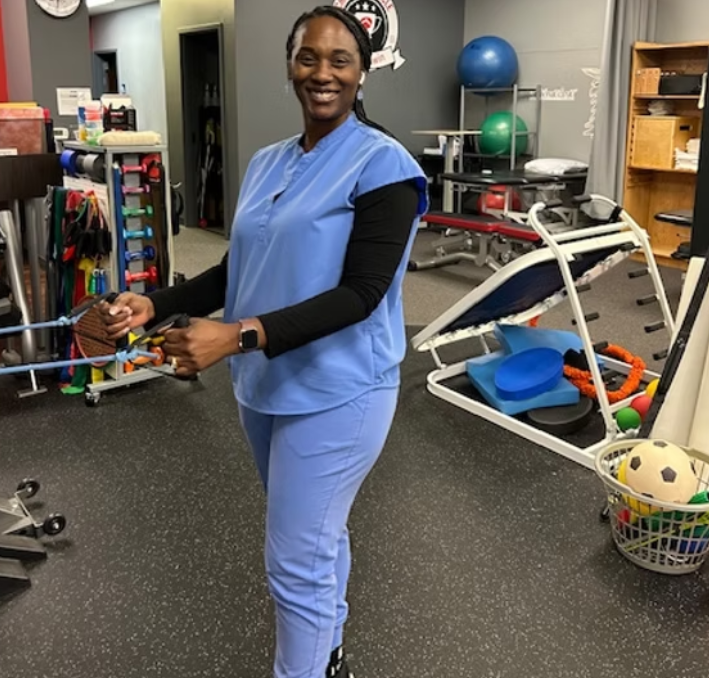
Did I sleep wrong? Did I work out too hard? It was those triceps exercises that are the bane of my existence that did it I bet. Maybe it was going up in weight in bicep curls. I need to adjust the arm of my chair at work. This numbness and tingling while I type is reminiscent of when I had ulnar neuropathy. I’ll give it a few days and see what happens. I’ll try not to sleep on it. I’ll skip my work out for a few days too. Hmm, this is not resolving like I thought it would. Ouch, it should not hurt to squeeze out my washcloth. Aww, it should not hurt to open a door. Omg, why did I let him shake my hand? I should have waved or given him a fist bump. I sure could use some ibuprofen. Let me pull out my mother’s old heating pad that miraculously still works. Ok, that helps a little. Good, some relief. Then the next day it still feels terrible. Oh my, I can’t open my own water bottle without wanting to cry. What in the world is going on? Ok, so I’m going to rest my right hand, which is my dominant hand as much as I can and use my left because this is not resolving like I thought it would by now. Ooh I remember having some leftover diclofenac from when my hips were acting up a while back. Let me take that with some food and see if helps. If I only take one every other day or so, it shouldn’t upset my stomach too much and maybe not cause those horrendous ulcers to recur. Ahh yeah, that helped. Feels much better. But wait I can’t go on like this. I only have like ten diclofenac plus I don’t want to be reliant on those alone anyway. I should be able to pull out my own chair and pick up my own bag without contemplation. Maybe this isn’t the consequence of sleeping wrong. I haven’t been to work out in two weeks and it’s still the same level of pain. This is weird. Lord, am I developing some rheumatological or musculoskeletal condition? Lord, I know perimenopause has been giving me a run but don’t let it take my arm too. Wait, Lord don’t let me have sarcoma or some other rare cancer. Lord knows I see enough of that. Do I need an MRI? Cue the negro spiritual. “Nobody knows the trouble I see; nobody knows my sorrow, nobody knows the trouble I see, glory hallelujah. “ I know what, I should get a massage. I’m long overdue for one. Maybe that will help. This could be stress manifesting in my limb. Yeah, let me schedule an appointment. Ok, so yes, the massage helped. It was therapeutic and seemed to calm my arm down for a bit, but it still didn’t make the problem go away. Ok, this self-diagnosed muscle strain has got to go. Maybe my tendons are inflamed. But why and what do I need to do about it because so far, it’s been a month and I don’t feel like I’m making adequate progress. Hmm, maybe I should call my sports medicine doctor and see what he thinks about what I have going on. Yeah, this has gone on long enough and clearly, I’m not a sports medicine practitioner. I make it in the doctor’s office, and he listens to my symptoms with the soft nod of his head. He then has me get up and performs an exam which is basically a series of mechanical moves that has me wanting to scream at varying intensities due to the discomfort it causes. After the torture is done, we sit back down and he says simply, you have lateral epicondylitis. Tennis elbow, I say. Yes, tennis elbow he says and then it all starts to click. Why didn’t I think of that? Oh, I know why. It never occurred to me that I could have it because well, I haven’t played tennis but yes, you can absolutely get tennis elbow without playing tennis. I know this and I’m proof. It can develop from repetitive movements. I have been doing repetitive movements and working out regularly including some exercises that I didn’t ordinarily do and let’s face it, I’m firmly planted in middle age as my dad likes to remind me. My doctor’s course of action included rest for the extremity to which I thought, that will be a piece of cake. I don’t need my dominant hand for anything right? You’re right, I need it for EVERYTHING…sigh! He also prescribed the anti-inflammatory diclofenac. Yes, the same one that I mentioned above taking sparingly. However, this time he told me to take it as he prescribed it; twice a day. I was to do this before returning for my follow up appointment. Problem is, I have issues with NSAIDs (non-steroidal anti inflammatory drugs). I have a history of acid reflux and esophageal ulcers and NSAIDs upset that delicate balance but that’s a story for another day. Nevertheless, I began taking them as prescribed and never on an empty stomach. Caution was taken with the one he prescribed given my stomach issues. I took them as directed and they helped. They helped a lot but then the uneasiness in my stomach started and I knew immediately what the problem was. I stopped the NSAIDs. The other thing my doctor prescribed was physical therapy. I was hesitant because my daily schedule is already a lot without having to add an additional hour two- three days a week for physical therapy. However, by this point I was desperate and if he thought physical therapy could help then I was going to give it a try. Physical therapy is helping but it is not a get-well quick type of modality. Even after a few months of physical therapy, I’m still not where I want to
Back that Colon Up
Back That Colon Up? If you were in high school or college when Juvenile said “taking over for the 99 and 2000s”, then you need a colonoscopy. If you are the last of Generation X and the first of the Millennials, or you identify as a Xenial or Cusper you need a colonoscopy. If you were there when Stella got her groove back and when Q and Monica played for love then you need to prepare to tell everyone “Don’t nobody go in that bathroom for about 35-45 minutes” as Mr. Jones aka Craig’s daddy told you. Now you may be thinking, “Don’t I have a few more years before I need one of those.” No, no you don’t have a few more years. The time is now. It’s time to save you and your behind. So, I believe in actions and not just words, therefore in March which by the way is colon cancer awareness month, I had my first colonoscopy. It was quite an interesting experience, one that I’m happy that I don’t have to do again for ten years! But don’t let me discourage you, the goal is to get you to have yours. The preparation process is not nearly as daunting as it was years ago. I recall as a bedside nurse giving patients huge bottles of liquid to consume that seemed comparable to trying to swallow a pond. Now the options are much more suitable and you don’t necessarily have to starve yourself in the process either. In my case, I could have clear liquids the day before my procedure. Yay, broth! Who knew broth could taste so good when you’re miserable. I digress. The morning of my colonoscopy, I was sufficiently empty if you know what I mean. After checking in, getting vitals and an IV I was ready for the big ta-doo! When I was taken in the room for the procedure, I met my wonderful team, talked to my gastroenterologist and then the CRNA knocked me out like Adonis Creed did that big guy. But anyway, the next time I woke up they were done and all I had were the memories of before. See how smooth that process was. Along the way the doctor talked to my husband, the nurse let me sip Sprite and the patient care tech rolled me out to the freedom and thoughts of breakfast. After my husband helped me in the car, he took me for breakfast based on my request. I felt certain that I could stay awake for that and that sleep could wait another minute. By the next day I was back at work like it never happened. You can be too. Now, I encourage you to do a few things a little differently than I did. Pay close attention and don’t say that I didn’t warn you. If you have the option of not working on the day that you start the colonoscopy prep, then stay home. Sometimes I confuse myself with Superwoman and I do things that are unnecessary. Chicken broth and water alone while expending physical and mental energy didn’t make me the happiest person. And having to start my prep before I got home only made me anxious and more prayerful. I mean being more prayerful is always good, but the circumstances of increased prayer could have been avoided had I been home, safe and comfortable and not trying to manage work, traffic and child pickup. But anyway, I made it honey. Just know that ten years from now when I do this again. I will not be working the day before. Enough about me. Back to you. In 2021 the U.S. Preventative Services Task Force (USPSTF) lowered the starting age to get a colonoscopy from 50 to 45 due to the increasing incidence of early onset of colorectal cancers in younger people. Here’s a quick refresher about what the colon is and why it is important. The colon is the first and longest part of the large intestine. The large intestine is the last part of the digestive system. It breaks down food for the body to use. As you age, small clumps of cells called polyps can develop in the colon and if they are not monitored or removed, they can turn into cancer overtime. If you have a strong family history of colorectal cancer, then you may need your colonoscopy even sooner. If you have a family or personal history of certain conditions or syndromes you should have colonoscopies even sooner. Two conditions or syndromes that cause an increase in colorectal cancer are Familial Adenomatous Polyposis (FAP) and Lynch Syndrome. FAP is a gene mutation that results in hundreds to thousands of polyps by a person’s mid-teens and if not treated you are more likely to develop colorectal cancer by age 40. Lynch Syndrome is a genetic condition that significantly increases the lifetime risk of developing colorectal and other cancers. Other risk factors for developing colorectal cancer include: –Older age (this is a risk factor for all cancers; the older we get the greater our risk.) – Black or African American people have a greater risk of colon cancer than people of other races. –Inflammatory bowel diseases. If you have conditions such as ulcerative colitis or Crohn’s disease you are at greater risk – Low fiber, high-fat diet. Some studies have found an increased risk of colon cancer in people who eat a lot of red meat and processed meat. – Reduce your risk by eating a variety of fruits, vegetables and whole grains – Sedentary lifestyle. People who are not active are more likely to develop colon cancer – Exercise most days of the week for 30 minutes. – Obesity – Try to maintain a healthy weight. Talk to your health care provider to see what that may look like for you. – Smoking – Stop smoking by seeking out ways to quit. – Drinking alcohol – Drink alcohol
Fitness Journey
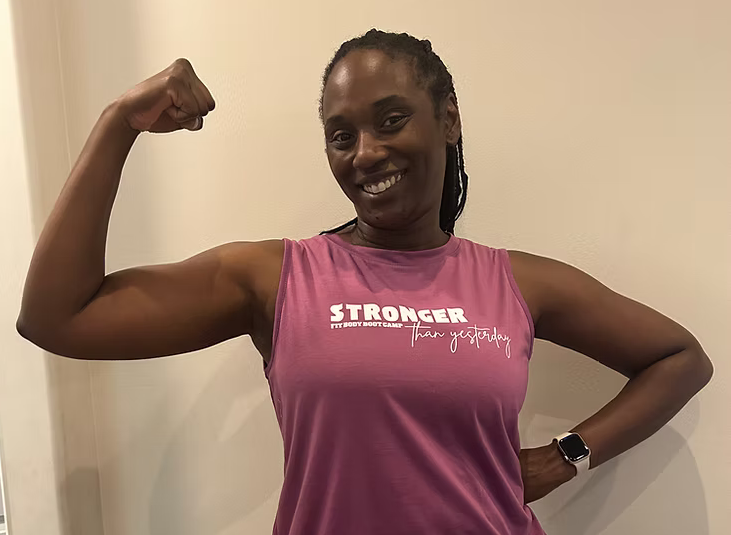
Nearly three years ago I joined Fit Body Bootcamp and am working toward completing my 400th session! Even though I hoped that I would have more by now, I give myself grace and recognize that what I have accomplished is still over 350 sessions than I have ever done over any period of time! I have always been active in one way or another, but I have struggled with consistency. My consistency struggles have a lot to do with the other demands of my life including career, community and family. However, consistency was always a goal and Fit Body helped me with that. The convenience of the location, the time frame of the workouts and the accountability have all made committing to my fitness goals easier. Since I started working out consistently, I have learned more about nutrition and the importance of protein to help achieve certain fitness goals. I have met friends who I look forward to seeing at workout. I have been celebrated and have gotten to celebrate others. I have carved out a bit of time dedicated to me, my health, my wellbeing and my personal goals. Working out hasn’t just been about losing weight but it is also about embracing what I have and toning up what I can. It’s not just about losing fat, but it is also about building muscle. It’s about ensuring that I can lift more easily and move around more assuredly as I age. It’s about keeping my joints lubricated, improving flexibility and cardiovascular health. Women are more likely to suffer from heart disease than any other illness. Exercise helps reduce that risk. As women age, muscle mass decreases over time. Exercise that includes strength training combats this. Due to a loss of estrogen as women age, bone loss also happens. This can lead to increased risk of fracture. Through exercise, our bone can remodel causing bone strengthening. It’s about showing my kids that mom can hang and the importance of exercise throughout life. One day, far in the future, lol, I hope to be able to chase grandkids around. If not that, I still hope to enjoy a hike or a long, long walk on the beach with my husband. Let’s break this down even more and go day by day. On the days that I exercise, I notice that I feel better overall. Not only do I feel accomplished, but I feel more energized. I also sleep better on those nights. If you have ever heard the saying that “motion is lotion”. I can totally relate. On days that I exercise, I have less stiffness and aches because movement “moisturizes” joints, bones and muscles so to speak. In a nutshell, consistent exercise is about: If you have been on the fence about exercising, lack the motivation or believe that you don’t have the time. I encourage you to make some sort of exercise a priority in your life. You don’t have to join a gym or a boot camp. Find what works for you and strive to be consistent. Start with one day a week and gradually progress to three or four days a week. This could a walk around the neighborhood or a park. It may cause you to start your day earlier or wrap up your day a little later but by making you and exercise a priority, it can happen. It’s about doing what you can to be the best that you can be. For me, exercise is a matter of life and a better life. Exercise does have an important companion that works well to meet specific fitness goals such as weight loss. That companion is nutrition but that’s a post for another day, lol! One step at a time, right?
Black Romance Book Fest
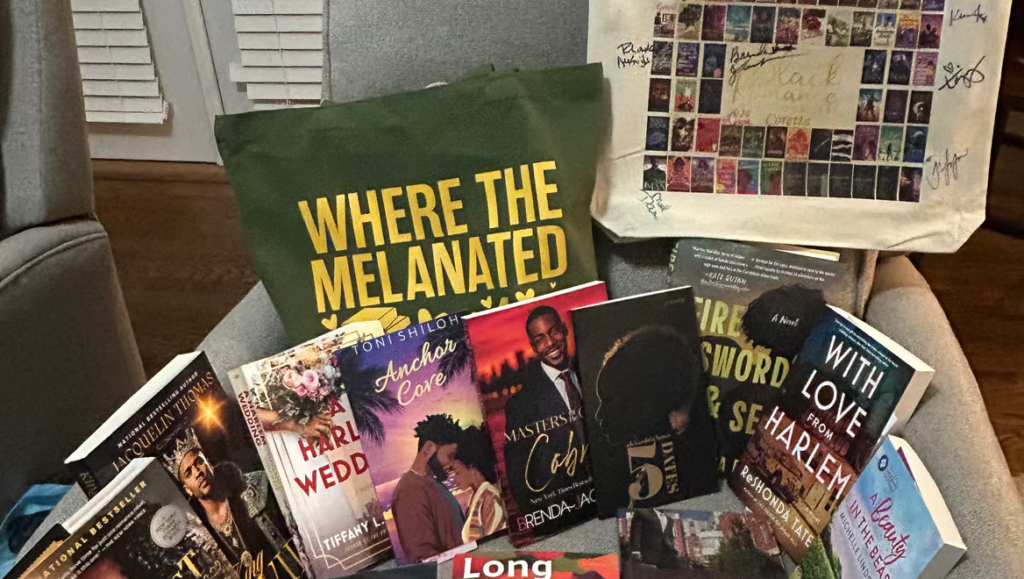
Part 1 This post ended up being so long that I decided to break it up into two parts! To revise the iconic quote from Sidney Shaw on Brown Sugar, “When did you first fall in love with reading?” Long before I became a writer, I was a reader. My dad required me to read and great thing for me, I fell in love with it. Nothing made my reader insides tingle more with excitement and pride than getting to attend Black Romance Book Festival in Atlanta, Georgia! The festival took place May 30th– June 1st, 2026 at the Omni Hotel and it was a sight to behold and an amazing experience! Me and my girls went and had the best time, lines aside, lol! Last year was the inaugural event and there I quickly recognized that we had something monumental. I was so thankful that we were able to snag the coveted and highly sought after tickets for this year. Word on the street is that tickets sold out in 15 minutes last year. And that is even with doubling the number of attendees. So if you’re hoping to be in attendance next year, you will need all the patience, prayers and preparation of garnering a Beyonce concert ticket and nearly the fortitude of a Hunger Games participant. BRBF is what happens when an untapped need becomes recognized. Imagine being on the quest for something great and knowing it is out there but not quite sure how to find it and then one day while digging a well you realize that it’s an oil mine. Cue Biggie’s “It was all a dream.” BRBF made the dreams of many come true and with endless possibilities. The Event A beautiful festival and culture collision of black books, black authors, black narrators, black vendors, black businesses, black celebrations and us, the attendees! Ahh, greatness at its finest. Being there was reminiscent of my HBCU experience on “The Hill” of Alabama A & M University. Not since graduating from undergrad have I been immersed in such a space that gave elevated HBCU vibes. I was surrounded by books I WANT to read not have to read, lol and by the authors of those very same books plus some of the voices who brought them to life! Amazing! The Authors Never have I attended (until this festival last year) a book event where I was literally surrounded by my favorite authors. I felt like a kid at Disney World seeing Mickey or Minnie for the first time. It is a surreal experience to finally meet some of the authors whose books I love, whose work I admire, whose stories resonate and transcend beyond the pages and beyond my imagination. Then there are the authors who I wasn’t familiar with prior to the festival or who I had only heard about from others. By the time I left the festival, I had them added to my TBR (to be read) list. It was empowering and enriching. There were a lot of authors represented and I mean A LOT. So before going, I made myself a priority list of who I wanted to meet for sure if given the opportunity. I also knew that I wanted to see some of the authors who I feel like I’ve known personally for years, lol or that I have met previously. So I know you are asking who did you meet sis? Get to it! Well, how about a roll call? I wish I could name them all but that is impossible. I caught up with my OG favorites like Rhonda McKnight and Vanessa Miller and am patiently waiting on Writer in Residence and The Ladies Hall. I swung by to check in on Sheryl Lister to express my anticipation about the release of All My Sisters And Me. Saw my girl and Busy Bee Taj McCoy who is not only a great author but a literary agent too! Caught T’Lyn again this year! Got to chat with Jasmine Guillory who I met very briefly last year at Kennedy Ryan’s event. Grabbed a picture with Kristina Forest who I didn’t get to meet last year and discussed her new release Summer Girlfriend! Back to that priority list of authors who I had never met but have now thanks to BRBF: Alexandria House– the fairy godmother of black romance. She is the reason that I made sure to get a Keynote add on because I knew that she would be a part of the panel even before the BRBF team announced it officially. How did I know? Because it is impossible to say black romance and not say Alexandria House. PERIOD. Brenda Jackson– who I affectionately call the Auntie and OG of black romance. She’s the author who has been writing black romance so long that you, your mom and your grandmother have both read her books. Along with Rhonda McKnight and Vanessa Miller noted above, this next group of authors renewed my reading passion and helped me maintain my faith. Unbeknownst to them, they were instrumental as I was going through my mom’s cancer journey, the loss of my first son and my mom’s death. Their work allowed me to still be fed with God’s word even when I didn’t want to talk to him because of hurt and anger. To meet them in person further healed a piece of my heart. Jacquelin Thomas– She is one of the authors whose messages of inspiration and faith in her resonate so much. With over 100 books in her catalog, you can’t go wrong with any of them. Reshonda Tate– I’m pretty sure that I have read every book in her catalog from her Christian fiction to her recent historical fiction. Kimberla Lawson Roby– two words, Curtis Black. But aside from that landmark series she has also written women’s fiction and most recently a faith-based nonfiction that I’m excited to dive into. Tiffany Warren– I’ve been rocking with her
Word for 2026
Embrace- accept or support willingly and enthusiastically Have you ever felt like you were just going through the motions? Have you ever just pressed your way because you had to or because it was what was expected of you, but you weren’t necessarily happy about it? Well, you’re in good company. Last year my word for the year was gratitude and it suited me. It carried me well through the year. For the most part I felt thankful in most things and my word served as a reminder when things got tough to still be thankful. Most of the time when I recalled my word and expressed gratitude I felt better about what I was dealing with or what was happening. I recognize that things could always be worse and that sometimes I shouldn’t even be thinking about complaining. But I am still human right? So, when I’ve worked a particularly long shift that was emotionally challenging and mentally draining only to have to fight traffic to get to one or two or three of my children’s activities and then must feed us afterwards and homework hasn’t even been started, my gratitude meter though present is low. Though I am thankful, I sometimes have an attitude about all of the things that I have had to do throughout the day, week or month that has left me exhausted and sometimes frustrated. Therefore, I decided that I don’t just need to be thankful. For 2026, I need to learn to embrace this season of my life and change my perspective about how I navigate things. Sometimes perspective is everything and attitude is the rest. I’m embracing this season of motherhood, family, career and all that comes with it because I am excited and thankful for the opportunity. I am embracing the challenges as well as the rewards. The rewards are where I am going to place my focus. I’m going to do what I can for myself in the midst of all that I do for others. I am going to enjoy the moments I’m in rather than lament the ones that I have missed because of other obligations. 2026 is the year of embrace! I’m embracing my season in life willingly and not begrudgingly. I’m embracing my goals and making them a priority. I am releasing the expectation of myself to do it all and will do what I want and not necessarily what I can. While embracing, I’ll be sure to express gratitude as well. Do you have a word or theme for 2026? If not, you may consider getting one to help guide your year.