
High Blood Pressure: 5 Things You Need to Know
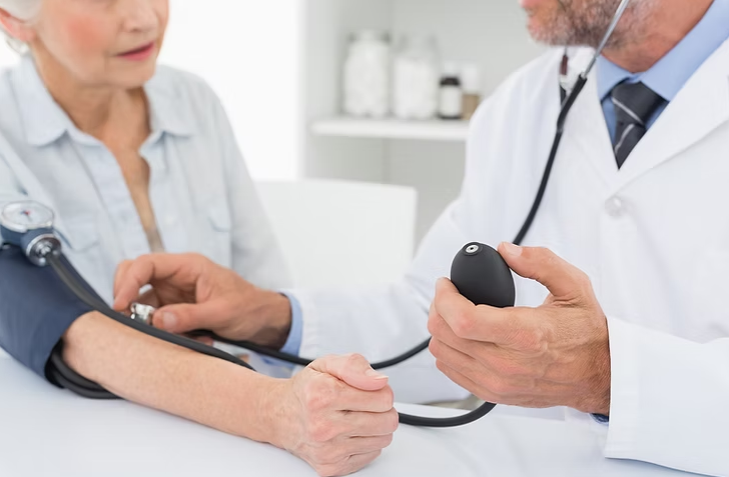
Hypertension or high blood pressure is a serious but often silent condition that affects many people. High blood pressure is caused when the long term force of blood against the walls of your arteries is too high. Over time this can lead to health problems such as heart attack and stroke. I was diagnosed with high blood pressure when I was 25 years old! At the time it was thought to be related to stress and grief. However, after a few months it didn’t get better. I also knew that high blood pressure runs in my family on my mom and dad’s side. Most of my family members, as far as I knew, weren’t diagnosed so young. I didn’t think much about having it initially. After all, my 25th year of life was wrought with all kinds of strife. In my mind, it made sense to me that my blood pressure was high. I was prescribed blood pressure medicine. I took it as directed most of the time. Despite this, my blood pressure still ran high. My medications were changed many times before the right combination was found. I was also doing things that were in my control such as trying to maintain a mostly healthy weight. I was also exercising and restricting sodium in my diet. Despite my best efforts, my blood pressure could not be managed without medication. As a nurse practitioner, we treat high blood pressure often. Here are the top 5 things you should know about high blood pressure! 1. You can have it and not know it because often times it does not have any symptoms. You should be getting routine check-ups. Aim for yearly, especially if you are over 30. For most people, a normal blood pressure is 130/80 or less. 2.Know your risk factors. Many of the risk factors are modifiable (you can change). Chances of developing high blood pressure are increased if you are overweight, smoke, have a high sodium intake, a low potassium intake or drink too much alcohol. It is also important to note that it can run in families and is more common in persons of African heritage. 3. You may need medication to manage high blood pressure. It may take some time but there is a treatment or combination of treatments that will work for you. Don’t give up. 4. You can only blame high blood pressure on stress for so long. Stress induced high blood pressure does not persist long term. For example, if your blood pressure has been running high for 4 months, it is likely not stress induced. 5. Undiagnosed high blood pressure can lead to many chronic conditions.These conditions include aneurysm (area of blood vessels that weaken and bulge), heart attack, stroke, chronic kidney disease, dementia and vision loss. Having your blood pressure checked is a simple, painless and easy thing to do for your health. If you are not able to see your clinician routinely, you can often find blood pressure monitors in pharmacies or at the fire station. If you have some of the modifiable risk factors listed above, you can work to eliminate some of them one step at a time. When was the last time you had your blood pressure checked? What steps can you make toward a healthier you? Who can you encourage to get a check-up?
Colorectal Cancer: 5 Things You Should Know
He noticed he wasn’t as hungry as usual over the past few months. She occasionally saw blood in her stool when she had a bowel movement. He had abdominal pain that would come and go. She didn’t want to have a colonoscopy because she heard the preparation was a nightmare. He reluctantly had a colonoscopy upon his wife’s insistence. She is the youngest of five and her four older brothers all had colon cancer. He never felt like he was fully emptying his bowels after using the bathroom. She lost twenty pounds in three months without even trying. They all had Colorectal Cancer. March is Colorectal Cancer Awareness Month. Colorectal Cancer is any cancer that effects the colon or rectum. You may also hear it referred to as Colon Cancer or Rectal Cancer depending on where the cancer is found. The colon is a long, coiled, tube-like organ that removes water from the food that you eat. It is also known as the large intestine. At the end of the large intestine, but, before the anus is the rectum. Here are the top 5 things you need to know. 1. Colorectal Cancer is PREVENTABLE. Screening tests are available for colorectal cancer. These include a colonoscopy (procedure in which a long and flexible tube with a camera is inserted through the rectum) and stool tests. Abnormal tissue including precancerous polyps can be removed during a colonoscopy. 2. Age 50 is the magic number to start having colonoscopies unless you have a strong family history. If you have a strong family history, your physician or advanced practice provider may recommend you have screening earlier. 3. Colorectal Cancer is the SECOND leading cause of cancer deaths among MEN and WOMEN.The older you are, the greater your chance of developing it. This is why it is important to be screened appropriately. 4. Certain risk factors increase your chance of developing colorectal cancer.These include excessive alcohol use, obesity and smoking. Maintaining a healthy weight and exercising helps prevent colorectal cancer. 5. The results of your initial screening and your family history determine how often you need screening. It could be as long as 10 years or as few as 3 years. The gastroenterologist (doctor who specializes in the digestive system, including stomach, rectum and colon) will let you know. There are treatments (surgery, chemotherapy and radiation) for colorectal cancer but the best treatment is prevention. Preventing a disease is much better than treating a disease. The inconvenience of a colonoscopy is much better than the inconvenience of a cancer diagnosis. If you are nearing the milestone of 50, you owe it to yourself to try to be as healthy as possible. You may find having a colonoscopy is not such a bad birthday present after all. Are you up to date on your colorectal cancer screening? Who can you encourage to have the proper screening?
COVID Amnesia
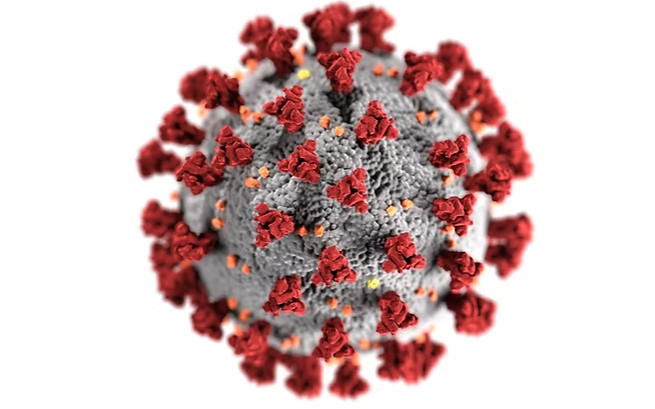
When I was in college and traveling to and from various places with friends, my mom would tell me not to get temporary amnesia when I got to my destination. This was her way of telling me not to forget to call her when I got to where I was going so that she’d know I made it safely. As you can imagine, sometimes I would forget to call her, hence her term “temporary amnesia”. “Forgetting” to call her would only get me a pass for so long and I had better remember the next time if I knew what was good for me. Even into young adulthood, I was still cautioned not to get temporary amnesia. As a nurse practitioner, I am still caring for patients as we endure this Coronavirus (COVID-19) pandemic which is unlike anything we have ever seen before. Many other essential workers are carrying out duties needed for all of us to thrive during this time. Economic challenges are present. The news, social media, and other outlets are inundating us with sometimes anxiety-provoking information. People are having difficulties adapting to the changes that seem to happen daily. As a result, many are suffering from what I’ve named COVID-19 amnesia or COVID amnesia for short. I define COVID amnesia as the inability to remember things and events due to the Coronavirus pandemic. I want you to defeat COVID amnesia. Defeat it by remembering. Below are five things to be sure you REMEMBER. 1. REMEMBER other health conditions. Don’t let COVID-19 cause you to forget about your known health issues such as high blood pressure, diabetes, depression and kidney disease to name a few. Many offices provide telehealth visits during times like this, allowing you to still have your needs met while being safe from COVID-19 exposure. Please remember to continue to take your medications as prescribed. Health emergencies existed before the Coronavirus struck us and will continue after the Coronavirus pandemic is over. If you are showing signs of having a stroke, heart attack or are bleeding excessively you should still seek emergency attention and call your healthcare providers. It is not wise or beneficial to refrain from lifesaving treatments because of the Coronavirus. You should take precautions but you should still seek the help you need. Call emergency services and/or your healthcare providers for guidance and instruction as needed. 2. REMEMBER, you were once a child. Sure your child is asking a million questions about the state of the world right now including why they are out of school. You have been asking too and you are an adult. Cut the children some slack. Many of them have no idea how to process what is happening to them and around them. If you were fortunate enough to grow up with a loving parent or guardian, remember how you felt when you got to spend extra time with them or to have them play games with you? So be understanding when your child wants to play, learn or just plain get on your nerves excessively during this time. It’s up to the adult to make the most of it. If the worse that can happen is that you are “stuck” with your kids, then you are already blessed. 3. REMEMBER, you have manners (I hope). Most of you should be staying home during this time. Do your part to flatten the curve, protect yourself and your family. However, in the rare event that you must go to the grocery store or to a doctor’s appointment remember to treat people with respect. Yes, practice social distancing but don’t give people ugly looks if they walk in your direction. Don’t lose your temper on someone because they sneezed or coughed. Not only is it still cold season but allergy season has now kicked in and hasn’t even peaked yet. If you are that concerned, stay home where you should be any way or offer them a tissue and some sanitizer (with at least 70% alcohol), from a distance of course. Don’t let the Coronavirus cause you to act out of character. Kindness still goes a long way and tends to go further in situations like these. 4. REMEMBER, you have support. This is a tough time for many. There are plenty of reputable resources for up to date information such as cdc.gov and the World Health Organization. Though you are practicing social distancing, you likely have a way of communicating with loved ones via phone or computer. Old fashion letters still work too. Use this time to reconnect and have meaningful and supportive conversations about something other than COVID-19. Positive support is around you if you look. Celebrities including musical artists and authors are hosting free events online to uplift during this time. Hotlines are available for those who are lonely, depressed or suicidal. Google it for your area or call your healthcare provider or first responder for assistance. For every negative thing you see or read, try to offset it with something positive. This will mean changing the channel from the news for a bit. You are not going to miss a pivotal Coronavirus update by turning off the news for an hour. Trust me, even if you do, it’ll be there when you get back to your channel. 5. REMEMBER, you have faith. When all hope seems lost and when there seems to be no way out remember your faith has moved mountains. Faith has fought and won many battles. Many churches and religious organizations are streaming services online and having prayer services via the telephone. Faith is what we have when we don’t have much else. Hold on to it. Think about the worse thing or circumstance you have survived. Faith was likely a contributor to how you conquered. Try not to live like this is the end of the world. This is not Armageddon. This is not the Apocalypse. This is a very serious situation in which we all can do our part
COVID Uncertainty
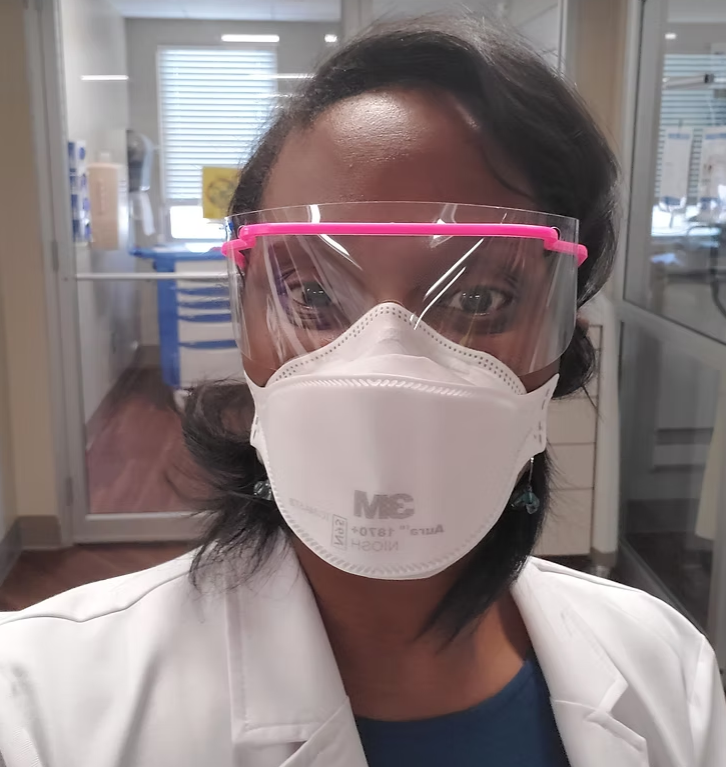
It is one thing to take care of patients who you know have COVID-19, but it’s another thing to take care of a patient who you have no idea has it. The latter happened to me recently. We’d been seeing the patient for a newly diagnosed cancer. His cancer and his symptoms had nothing to do with COVID-19 yet days later we find out he in fact has it, and was asymptomatic (had no symptoms). Now thankfully, before this, the hospital had already instituted a policy that every healthcare professional would wear a mask and protective eyewear in every patient’s room. They later expanded the rule to say that everyone would wear them in the hospital period, whether you were in a room with a patient or not. I’ve been doing my best to protect myself during this time but I’m so thankful for the extra measure put in place. Ordinarily, you don’t wear personal protective equipment (PPE) in every room, only the ones where it is necessary. These aren’t ordinary times. This patient started running a fever, but this was not alarming. The type of cancer he had is sometimes associated with fever. I found out he tested positive the day after I’d seen him and had spent between 20-30 minutes with him. I’d examined him thoroughly and explained a few details about his cancer. My first thought was oh no, this can’t be happening. Then I reminded myself that I’d taken all of the precautions available to me. However, I’ve read about cases of healthcare professionals getting COVID-19 despite wearing PPE. Rationally, I knew that I was at a low risk of exposure per the CDC exposure chart, but irrationally I couldn’t fathom the thought of exposing my family to anything. As much as I love my career as a nurse practitioner and the patients I serve, I do not want to risk the health of my family. I love them the most. I considered a lot of things. Maybe I could quarantine myself in my bedroom when I was home. That wouldn’t work because I’d still have to walk through the house having come home from work to get back and forth to the bedroom. I considered going to a hotel, but was that really necessary? My husband even joked around about camping in the back yard. We ultimately decided these actions were overkill, but that does not keep me from praying often that I do no harm to my family inadvertently. From this situation, I learned a few things. Don’t have false security that someone doesn’t have COVID-19 just because that’s not what they are in the hospital for. Treat everyone as though they have COVID-19 in addition to whatever else is going on with them. This means making sure I wear PPE basically all day, especially in the hospital. I am also wearing a mask with every patient in the clinic too. My priorities are two-fold; taking care of my patients and taking care of myself. Taking care of myself means taking care of my family. For those who are not healthcare providers, you too should be more cautious. You should only be out in public when necessary. Assume everyone could be COVID-19 positive if that will motivate you to stay home or shelter in place. When you are out, it is ok to wear home-made masks. Visit the CDC website for a tutorial and specifications. Reserve medical-grade masks including N-95 masks for healthcare professionals. Once your mask is in place, try not to touch it or your face until you are ready to take it off and wash your hands. As we find out more and more about this virus, we have learned that the virus droplets can live longer in the air than suspected. If you are going to wear gloves, be sure to take them off and dispose of them properly. Do not touch multiple surfaces with the same pair of gloves and then touch your personal belongings and your face. Doing this would potentially spread germs and/or infection. Stay away from environments where you cannot maintain at least a 6 feet distance. Wash your hands often and thoroughly for at least 20 seconds. Do your part to keep yourself and your family safe. Find ways to keep yourself encouraged. Though we are living through a pandemic, it does not have to be pandemonium. For more information visit www.cdc.gov. What have you learned during this time? Who can you call if you need some encouragement? Are you doing all you can to stay healthy?
Head & Neck Cancer: 5 Things You Should Know
He felt like his food was getting stuck when he swallowed. It hurt when he slept on the right side of his neck. She was getting hoarse for no reason. The dentist noticed unusual white patches in his mouth. His jaw became swollen, painful and tender. They all had head and neck cancer. April is Head & Neck Cancer Awareness Month! It’s likely a type of cancer you don’t think or hear much about. I hope to change that because unfortunately, it is becoming more prevalent. I also aim to encourage you to be more in tune with your body and your habits. Head and neck cancer is a group of cancers that affect various portions of the head and neck. More specifically, this group of cancer includes the following: Oral cavity- mouth, lips, cheeks, front of the tongue, under the tongue, the roof of the mouth and upper and lower gums Pharynx (includes nasopharynx, oropharynx, and hypopharynx)- throat; a hollow tube about 5 inches long that starts behind the nose and leads to the esophagus. The nasopharynx is the upper part of the throat behind the nose. The oropharynx is the middle part of the throat including the back of the mouth, the base of the tongue, and the tonsils. The hypopharynx is the lower part of the throat. Larynx- voice box Paranasal sinuses- air-filled spaces that surround the nasal cavity Nasal cavity- inside of the nose Salivary glands- glands that produce saliva (spit) through a system of ducts. Humans have three major pairs. Here are 5 things you should know about head and neck cancer. 1. Head and neck cancer account for approximately 4% of all cancers in the United States. It is twice as common among men than women. Most cases happen in persons over 50 years old. 2. At least 75% of head and neck cancer is caused by tobacco and alcohol. This includes smokeless tobacco aka chewing tobacco. 3. About 70% of cancer of the oropharynx is linked to the Human Papillomavirus also known as HPV. Human papillomavirus is a common virus that can lead to cancer later in life. It is the most common sexually transmitted infection. Many people do not develop symptoms but can still infect others through sexual contact. Some people develop warts. Consider HPV vaccines. Use condoms and dental dams during oral sex. 4. Signs and symptoms include pain, swelling, poor healing and unusual bleeding from any of the head and neck areas listed above. See your primary health clinician, dentist or ENT (ear, nose and throat doctor) as/if problems arise. 5. Treatment is available and depends on a number of factors including age, stage, and comorbidities. Treatment includes surgery, radiation, chemotherapy and a combination thereof. Rehabilitation could be needed as well. I hope you have learned more about this less talked about type of cancer! Don’t panic! A sneeze or sinus congestion does not mean you have cancer. The goal is awareness and education. Share with a friend what you have learned. For more information on head and neck cancer, visit cancer.gov, cdc.gov or cancer.org.
Skin Cancer Awareness
It’s the most common cancer in the world and involves your largest organ. If you guessed Skin Cancer, then you are right! The good news is that you can SEE it and it is preventable! May is Skin Cancer Awareness Month! Basal Cell, Squamous Cell, Melanoma, oh my! These are the top three skin cancer types. Here’s what they are and what you can do to prevent them! Basal Cell Carcinoma is the most common and least concerning of the three but you still want it gone if you notice it. They arise from the epidermis (outermost layer of your skin). They can look like shiny bumps, open sores, or red patches. This type of cancer rarely metastasizes (spread to other places of the body) but can cause scarring. Squamous Cell Carcinoma is the second most common. It arises from the squamous cells of the epidermis. It is more likely to spread than Basal Cell Carcinoma so early diagnosis and prevention is the key. They can look like warts, open wounds, or scaly red patches. Melanoma. Likely you ‘ve heard of it, and for good reason. It’s the most dangerous form of skin cancer and is more likely to spread than the others. It comes from the melanocytes (pigment-producing cells). They can be hard to treat and need to be caught early. They often appear black or dark brown but can also appear pink, white, red, purple, or blue. Melanoma is rare but it is known to be more deadly in African Americans. What can be done to prevent skin cancer? Sun protection! Avoiding and protecting yourself from ultraviolet light is the key. Did you know there are two types of ultraviolet rays that contribute to skin cancer? Ultraviolet ray A (UVA) is responsible for skin aging and Ultraviolet ray B (UVB) is responsible for skin burning. Sunscreen should be used when you are in the sun. Do you know what SPF stands for? Sun Protection Factor. You need at least a SPF 15 for everyday use but at least a SPF 30 if you plan to spend a lot of time outside. Sunscreen should be reapplied at least every two hours. Tanning beds should be avoided as they are known to cause skin cancer. You should also dress accordingly and take advantage of shaded areas. I hear you asking, “but what about Vitamin D?”. The truth is you shouldn’t let the sun be your only source of Vitamin D. It is likely you are not getting enough from the sun and the benefits do not outweigh the risks. The safer recommendation is to get the Vitamin D you need through supplements, oily fish and foods fortified with Vitamin D such as milk. Early detection is key and can be done through monthly self-exams and annual dermatology exams. If you are at an increased risk of developing skin cancer you will need to be more diligent in your exams. Examples of high-risk persons are those with fair skin, family history, atypical moles, sunburn, tanning, photosensitivity, and prolonged UV ray exposure. Skin cancer is highly curable if found early. Treatment includes various types of surgery, radiation, and chemotherapy. However, always remember the best treatment is prevention. What ways can you better take care of your skin?
Mental Health Matters
Mental health matters. Not only does it matter, but it is essential. Its importance should not be undermined. One’s mental health could be the difference between living and dying, thriving and surviving, and living in the past or looking to the future. Mental health may matter now more than ever with the changes and challenges that have affected us all in one way or another. Confessions of a Nurse Practitioner is excited to have a guest contributor, Ms. Crystal Mullen-Johnson. Having been impacted by her mother who was a social worker, she followed in her mother’s footsteps and attended her alma mater, Alabama A & M University. She pursued social work as well. As the founder and owner of Strive Counseling Services, LLC, she was influenced by her experiences of overcoming mental health stressors. As a teenager she lost her mother and then experienced the sudden death of her father while in her twenties. She is a licensed clinical social worker and registered child play therapist, who strives to empower people to identify their strengths to overcome adversity. Her practice affirms that you are capable of “Building A Foundation for A Healthier You.“ I had the privilege of discussing mental health with Ms. Mullen-Johnson. I know her to be passionate, knowledgeable, and capable in mental health matters. I created the questions and she adeptly gave responses. 1. What is mental health and why does it matter so much? Mental health is your psychological well-being. It is important to make mental health a priority because it impacts your thoughts, behaviors, and feelings. Mental health is equally as important as physical health. Your mental health impacts your relationships with others, your ability to bounce back from adversity, and your ability to cope with stress. Additionally, if you aren’t mentally healthy, it can cause the onset of physical health conditions. For example, chronic stress can contribute to headaches, poor sleep, a weakened immune system, and changes in your appetite. Stress is also correlated with high blood pressure and high cholesterol. 2. What are the top 5 mental health diagnoses? -Major Depression -Anxiety -Bipolar Disorder -Attention Deficit Hyperactivity Disorder -Schizophrenia 3. What causes depression and what can be done to treat it? Depression is a mood disorder that is linked to genetics, substance abuse, medical conditions, trauma, and life experiences that causes a threat to your survival. Depression can be treated by a therapist who is experienced with cognitive behavioral therapy or evidence-based treatment. A medical doctor or advanced practice professional can treat depression with anti-depressant medication. Anti-depressants are proven to be effective by reducing symptoms of depression that may interfere with your ability to carry out daily tasks. 4. What causes anxiety and what can be done to treat it? Anxiety can be linked to physical conditions. It can also occur after prolonged periods of stress, trauma, or a phase of life change. Anxiety can be treated in counseling and by engaging in exercise and mindfulness practices. Anxiety can be treated with prescribed medications as well. 5. Outside of therapy, what other recommendations or resources do you suggest for clients? There are alternative or adjunct options for treatment. Options include support groups, journaling, exercising, mindfulness, yoga, prayer, and developing healthier thoughts. Contact a mental health professional if your symptoms are not improving or if they cause interference with your ability to function. If you are thinking about suicide, contact a medical or mental health professional. You may also contact the suicide hotline at 1-800-273-8255. 6. Given the COVID-19 pandemic, what coping techniques can you share? What are your recommendations for dealing with this crisis? COVID-19 has created a crisis in our lives because of uncertainties. It is a perceived threat outside of our control which impacts our mental health. The social, economic, health and financial implications of the crisis create isolation, fear, worry, and hopelessness. I would recommend a few things to cope: -Stay connected with your family, friends, and support groups by taking advantage of virtual social outlets, chat forums, and phone apps. -Take time for self-reflection, exercise, and create a plan of action to recover from this crisis. -Take advantage of telehealth offerings. -Don’t suffer in silence. You are not alone. I would advise parents to be aware of how their children are coping. If children are showing signs of depression, anxiety, or stress, consider connecting them with a therapist. 7. What can be done to eliminate the stigma of mental illness and why do you think the stigma exists in the first place? Mental health stigmas stem from being uneducated about mental illnesses and mental health. I would like people to understand that stigmas are totally misguided. They are harmful and create shame. Stigmas devalue the importance of mental health treatment. Treatment can improve the quality of day to day life. It’s important that we learn more about mental illnesses and strive to have compassion and respect for those who have a mental illness. It is important to offer support to those that have a mental illness. 8. What are some examples of appropriate situations in which to seek out mental health resources? If you recognize changes in the following for more than two weeks you should seek out mental health help: -Personality -Eating behaviors -An inability to cope with problems or daily activities -Feelings of disconnection or withdrawal from normal activities -Excessive anxiety If you are having suicidal thoughts, you should seek help immediately. 9. What do you find the most rewarding about your profession? I find it most rewarding to change the trajectory of mental health by raising awareness and reducing mental health stigmas through my Community Mental Health Awareness Initiative. I also find it rewarding to provide therapy to clients. It’s important for me to stay connected to people in my community that have barriers to accessing mental health treatment. It’s rewarding to see my clients overcome challenges by identifying their strengths, implement strategies learned in therapy while rediscovering themselves to live a healthier life. 10.
Men’s Health

It is commonly said that men and women are different. You may have heard that men are from Mars and women are from Venus or men are like waffles and women are like spaghetti. These differences go far beyond behaviors and personality characteristics. Although men and women are 98.5% the same, men have some biological differences that set them apart! Men have thicker skin and stronger bones. On average, men tend to have more muscle mass too making their muscles faster and more powerful. There are also differences in men’s brains which allows them to process information differently. Men have larger Adam’s apples due to having larger voice boxes. They tend to carry less body fat than women and burn more carbohydrates. Some of these differences mean that men typically require higher protein diets. Men also tend to have more red blood cells and are less sensitive to cold temperatures among other fascinating facts. Let’s break down the mortality differences among men of different races. Black men live an average of seven years less than white men. Black men are more likely to die of serious chronic illnesses than white men. Latino men die at rates comparable to black men. Black men also have a higher incidence of several types of cancer than other groups of men. Studies show that men may need more of a push to take care of themselves. Despite certain biological advances, men tend to die six years earlier than women. This could be in part because men are less likely to seek routine medical attention. Also of note is that when men do seek medical attention it is out of pure necessity and they are more likely to hide or lie about their symptoms. As June is Men’s Health Month we’ll delve deeper into what men can do to improve their health and their health outcomes. Here are the 5 top causes of death in men: 1. Heart Disease (leading cause in women too) 2. Cancer (Lung cancer is number 1) 3. Unintentional injuries 4. Chronic respiratory diseases 5. Stroke Starting with heart disease, here is what men can do and what family and friends can do to support and encourage men to work toward optimal heart health. 1. Get regular checkups; at least yearly. Many men don’t know their risk factors because most do not get regular checkups. Learn your family history. Silent killers such as high blood pressure and diabetes can present with very little clues. Getting at least a yearly checkup provides men with the opportunity to have their blood work and vital signs checked that could prevent or detect health concerns early. It is important to note that men’s blood pressure starts climbing around the age of 45. For black men, blood pressure usually starts climbing younger than 45 years old. By getting a checkup men are able to discuss issues such as erectile dysfunction which can be an early sign of heart disease. 2. Watch what you eat. Eat more fruits and vegetables and less meat. Fruits and vegetables are generally lower in calories but higher in fiber and antioxidants that can help keep blood pressure in check. They are also packed with potassium which helps lower blood pressure. Meat is higher in saturated fat. This can have negative effects on your heart. Foods such as bacon, red meat, and ice cream should be eaten in moderation. Avoiding trans fats that are found in fried foods and commercial baked goods are also beneficial for heart health. Healthy fats such as unsaturated fats can be found in olive oil, canola oil, avocados, almonds, and walnuts. Omega-3 fatty acids are a type of unsaturated fat that can prevent sudden death from heart attacks. It is found in fatty fish such as salmon and tuna but can also be taken in supplements. 3. Get moving! Aerobic exercise helps heart health. There is a common misconception among men about exercise. Many men think that lifting weight to gain muscle mass is the only exercise needed but aerobic exercise such as walking or jogging is what promotes heart health. Moderate-intensity exercise for 30 minutes a day is beneficial. Men, don’t be discouraged about not having the same exercise prowess of your high school or college days. That is to be expected and shouldn’t stop you from being the best you can be now. 4. Manage your stress. Women tend to talk about their stressors, men tend to bottle it up inside which over time can lead to heart issues. Consider talking with trusted friends or family. Consider seeing a mental health professional. Try stress-reducing activities such as relaxation techniques, massage, mindfulness, and deep breathing. It is also important to get enough sleep and to prioritize self-care. 5. Quit smoking, including smokeless tobacco. Smoking increases the risk of heart disease among other health conditions. Encourage men to stop smoking but be supportive of their efforts. Smoking is a very difficult habit to break. Many people stop and start back several times before stopping for good. Resources such as 1-800-QUIT- NOW can help. Ladies, support, and encourage the men in your life to get checkups. Gently nudge, but don’t nag regarding habits that could be changed. Also, lead by example and do activities together. Men, encourage your fellow man to take better care of himself by taking better care of yourself. Prevention is the best treatment and early intervention is key. Call a man who matters to you today and ask him about his health. You may help him more than you know. When was the last time you had a checkup? What areas of health could you work to improve? Do you have someone you trust to talk about your stress?
Men, Decisions Today Do Matter Tomorrow. (This goes for Women too.)

You can’t drink a ton of liquor and be surprised that you got drunk any more than you can wade in water and expect not to get wet. Life just doesn’t work that way. Many have heard the saying, “Let the choices you make today be the choices you can live with tomorrow.” It’s actually a favorite of mine. Though it is mainly thought of in school or work settings, I believe it is applicable to life in general. It is specifically applicable in matters of health. No, you can’t prevent every illness or disease. No, you can’t prevent every mishap or accident. You can however avoid or stop toxic behaviors. Let’s start with one of the most obvious ones. Smoking. Smoking is not only linked to cancer but it absolutely causes it. The first type of cancer likely to come to mind related to smoking is probably lung cancer. You are right. Smoking definitely causes lung cancer. However, oral cancer, head and neck cancer and many others are also linked to smoking. As a hematology and oncology nurse practitioner, I encourage patients to stop smoking. It’s never too late to stop. In healthcare, we call smoking a modifiable risk factor for cancer. This means that you can change it. Another decision that can affect tomorrow is alcohol consumption. Not only can excessive alcohol consumption cause cirrhosis and liver failure. Alcohol use, in general, can increase the risk of getting cancer including cancers of the mouth, throat, esophagus, colon and liver. Alcohol is best consumed in moderation and not excessively. Of course not drinking any alcohol is the best risk reduction of all. Healthy eating and physical activity can go hand in hand. Often times these are less obvious modifiable risk factors and sometimes they are harder to modify depending on the food available to you. However, you should try to eat as healthy as you can. The more fresh fruits and vegetables you eat, the better. The less red meat and processed food, the better. Light to moderate physical activity is better than no activity at all. The benefits are priceless. Not only does healthy eating and physical activity decrease your risk of cancer, but they also decrease your risk of other health conditions such as high cholesterol, high blood pressure and diabetes. I know some of you are thinking, “What about the hereditary component?” Yes, there could be a hereditary (genetic factors) component involved but sometimes the sole involvement is you and your choices. Unprotected sex. No, unprotected sex in and of itself does not cause cancer BUT it could expose you to sexually transmitted infections (more on that another time). However, unprotected sex can expose you to viruses that may cause cancer. For example, human papillomavirus (HPV) is linked to cervical cancer and head and neck cancer. If you are not in a monogamous relationship, be sure to use protection during sex. I should also advise that oral sex counts too. Viruses such as HPV can absolutely be spread through oral sex. Hepatitis B and Hepatitis C which are both linked to liver cancer can be spread through unprotected sex among other ways. (There are vaccines available for some viruses.) Protecting your skin today protects your skin tomorrow. Tanning beds and excessive sun exposure may cause cancer. It is best to avoid tanning beds and use a safer alternative such as spray tan. It is advised to use sunscreen when out in the sun and reapply as indicated on the instructions. This post is not all-encompassing of the decisions that could impact your future. It should give you some idea of things you can control to positively impact your health and your life. Be the best you, you can be in all areas of your life, especially regarding health. Men (women too), as we wrap up Men’s Health Month, I challenge you to make better decisions today. Decisions of today can become the consequences of tomorrow. Are you up to date on your health screenings? What small changes can you make today that could have a positive impact on your health?
Sickle Cell Disease at a Glance

You are born with it. It can be debilitating. One can have a life of challenges ahead. Organs can fail. Strokes can occur. Spleens can practically disappear. Livers can fail. Bones can die. You can be judged, stereotyped, and ridiculed. Despite this, many have overcome and are overcoming. Many are making a life that is not centered around his/her disease. Some are teachers, industry workers, singers, dancers, and more. They are WARRIORS. Warriors with Sickle Cell Disease (Sickle Cell Anemia) and I am proud to serve in my role of nurse practitioner to care for them and to advocate on their behalf. September is Sickle Cell Awareness Month! I hope you will take this time to learn more about this complex disease. Sickle cell disease is an autosomal recessive blood disease. This means that it is inherited from the mother and the father who each have a sickle cell trait. Each parent can pass each trait to their offspring resulting in a person being born with sickle cell disease. Each pregnancy that results from two persons with a sickle cell trait has a one in four chance of the baby being born with sickle cell disease. The others could possibly be born with the trait. A lot of people do not know if they have the trait because the trait is not usually associated with illness or symptoms. Persons with sickle cell disease have red blood cells (hemoglobin) that take on a sickle or crescent shape (think half-moon). As a result, the oxygen is not carried well by the red blood cells of the body. This can cause many complications due to the odd-shaped cells getting “stuck” in areas of the body that can cause life-threatening conditions such as acute chest syndrome and stroke. Other complications can include organ damage, pulmonary hypertension, blindness, and leg ulcers. Likely the most well-known complication of sickle cell disease is terrible pain crisis. All aspects of the body can be affected by sickle cell disease which is why organs can fail over time. For the longest time, there had not been many developments in the treatment of sickle cell disease. Finally, two new medications have been developed to help make sickle cell disease more manageable. The medication, Adakveo is an infusion used to help reduce the risk of sickle cell pain crises in patients. The medication Oxbryta is a pill used to help with the anemia (decreased blood count) often seen in patients with sickle cell disease. Prior to these new developments, the mainstay of treatment was a drug called hydroxyurea. The average life expectancy for a person with sickle cell disease is between 42 and 48. However, many patients are living beyond this with proper treatment and care. If you are a person with sickle cell disease you should remember to stay hydrated, avoid overly strenuous activity, avoid high altitudes, and wear plenty of layers in cold temperatures. If you are the loved one of a person with sickle cell disease you can encourage them to follow the tips noted above. There are approximately 7 million people worldwide with sickle cell disease. About 100,000 of those persons are in the United States. Black persons are at increased risk for inheriting Sickle Cell Disease. Unfortunately, a lot of stigma surrounds patients with sickle cell disease. This often has to do with reasons such as race, disease status, socioeconomic status, delayed growth, and puberty and having to have acute and chronic pain managed with opioids. Sickle cell disease is a big example of the health equity issues that exist in the United States. For example, Cystic Fibrosis is a genetic disease that primarily affects persons who are White. There are approximately 30,000 persons in the United States with Cystic Fibrosis compared to the 100,000 persons with Sickle Cell disease who are mostly Black yet funding for Cystic Fibrosis is 8 times that of funding for Sickle Cell Disease! Many wonder, can Sickle Cell Disease be prevented? Yes, it can but it takes open and honest communication among families. Sometimes, families do not disclose family history very well or at all which results in a lack of knowledge through the generations. A simple blood test is all that is needed to determine if someone has a sickle cell trait or sickle cell disease. It is important to know your status especially if you have known relatives with sickle cell disease because if you have the trait you can pass the gene on to your children. When persons are dating, it is wise to consider asking a person about his or her sickle cell trait status especially if you know that you have the trait. Genetic counselors are also a valuable tool to help guide families during these processes as needed. Sickle Cell Disease is a complicated disease that impacts the lives of those with the condition significantly. A supportive care team is very important and starts in infancy. As persons with Sickle cell disease age, they transition to adult healthcare providers. Additionally, there are organizations such as the American Sickle Cell Anemia Association and The Sickle Cell Disease Association of America that work to provide support for patients and families affected by Sickle Cell Disease. For additional information visit any of the following sites: http://www.ascaa.org/ http://www.sicklecelldisease.org/ http://www.hematology.org/ .